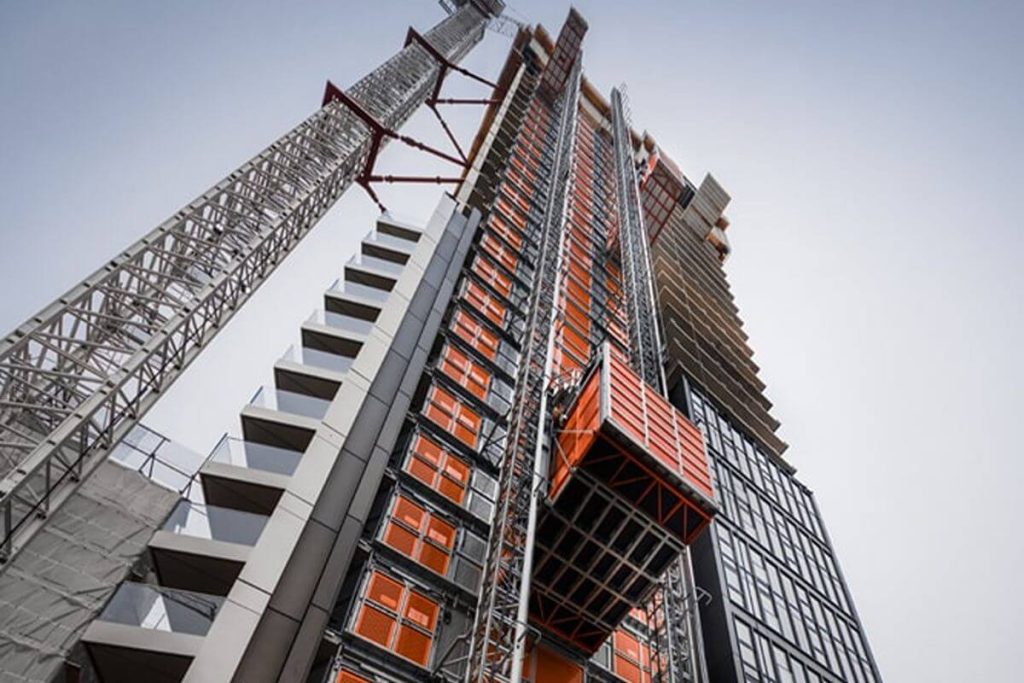
Construction Hoists: Why Vertical Transport Planning Matters on Busy Job Sites
Why does vertical transport planning matter on busy job sites?
- Maximizes labor productivity
- Optimizes material flow
- Enhances site safety
- Reduces project costs
- Improves waste management
Overview
- Vertical transport planning is critical for high-rise construction, enabling efficient movement of personnel and materials.
- Construction hoists boost labor productivity, optimize material flow, enhance site safety, reduce labor costs, and streamline debris removal.
- Proper equipment selection, logistical scheduling, site integration, and decommissioning strategies prevent bottlenecks and support smooth operations.
As construction projects increase in height and complexity, vertical transport becomes a core logistical challenge. Construction hoists provide safe, efficient movement of workers and materials across floors to boost productivity. Beyond equipment selection, integrating hoist operations into overall site logistics is critical for maintaining smooth daily operations.
Understanding why vertical transport planning matters on busy job sites can help teams identify potential bottlenecks before they affect productivity. This article examines how effective planning can improve labor efficiency and material flow while supporting safer and more cost-effective operations.
Maximizes Labor Productivity
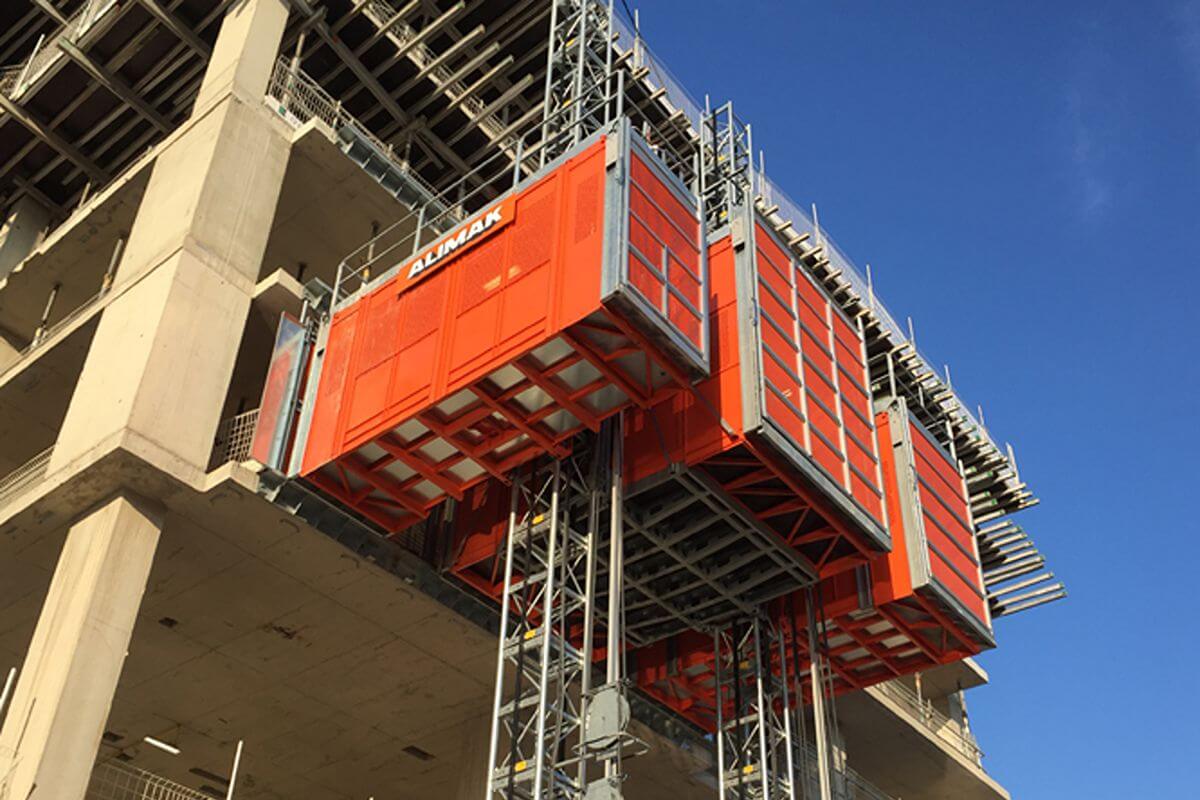
Construction hoists reduce the time workers spend moving between floors. They also limit the need to carry tools and materials through stairs or other temporary access routes. This gives crews more time for core construction tasks and helps maintain a consistent workflow on high-rise projects. Multico explains that construction hoists can improve productivity by allowing faster movement of workers and materials. Learn more about the benefits of using construction hoists.
Optimizes Material Flow
A well-coordinated hoist system helps teams determine when materials need to move and where they need to go. Construction hoists can transport materials such as concrete, bricks, lumber, steel, and drywall to upper floors. This can reduce material-handling delays and help crews receive supplies when they need them.
Enhances Site Safety
A planned vertical transportation system gives workers a controlled way to access elevated work areas and move heavy loads. It can also reduce the need for manual hauling through stairs. Construction hoists can include safety features such as overload protection and emergency braking that support safer operations. Explore how construction hoists improve worker safety in high-rise projects.
Reduces Project Costs
Efficient hoist operations can help control labor expenses and reduce delays. The right equipment can also improve how teams allocate resources across different stages of construction. Fewer unnecessary trips for personnel and materials can further improve efficiency across the job site.
Improves Waste Management
A clear site logistics plan should also account for the removal of construction debris and unused materials from upper floors. Hoists provide a controlled route between different levels, which can make it easier for crews to move waste away from active work areas. This helps keep the site organized and reduces unnecessary movement.
Key Dimensions of an Effective Plan
An effective hoist strategy considers the equipment itself as well as how it fits into the overall site setup. These factors help project teams maintain smooth personnel access and material movement throughout construction.
| Dimension | Focus Area | Impact on Project |
|---|---|---|
| Equipment Selection | Match hoist capacity, configuration, lifting height, and platform requirements to the project. | Supports safe and efficient movement of personnel and materials. |
| Logistical Logistics | Schedule hoist use around material deliveries, worker access, and construction activities. | Reduces bottlenecks and unnecessary waiting time. |
| Site Layout Integration | Account for hoist placement, loading areas, floor access, and material routes. | Creates smoother movement between ground-level and elevated work areas. |
| Decommissioning Strategy | Plan when and how the hoist will be dismantled as project requirements change. | Helps minimize disruption during the later stages of construction. |
Construction hoists come in different configurations and capacities, so equipment selection should reflect each project’s requirements. Multico’s overview of different types of construction hoists covers options such as the Alimak Mammoth, Alimak SC, Alimak Scando Series, and Alimak LSH.
How Multico Supports Construction Hoist Planning for Busy Job Sites
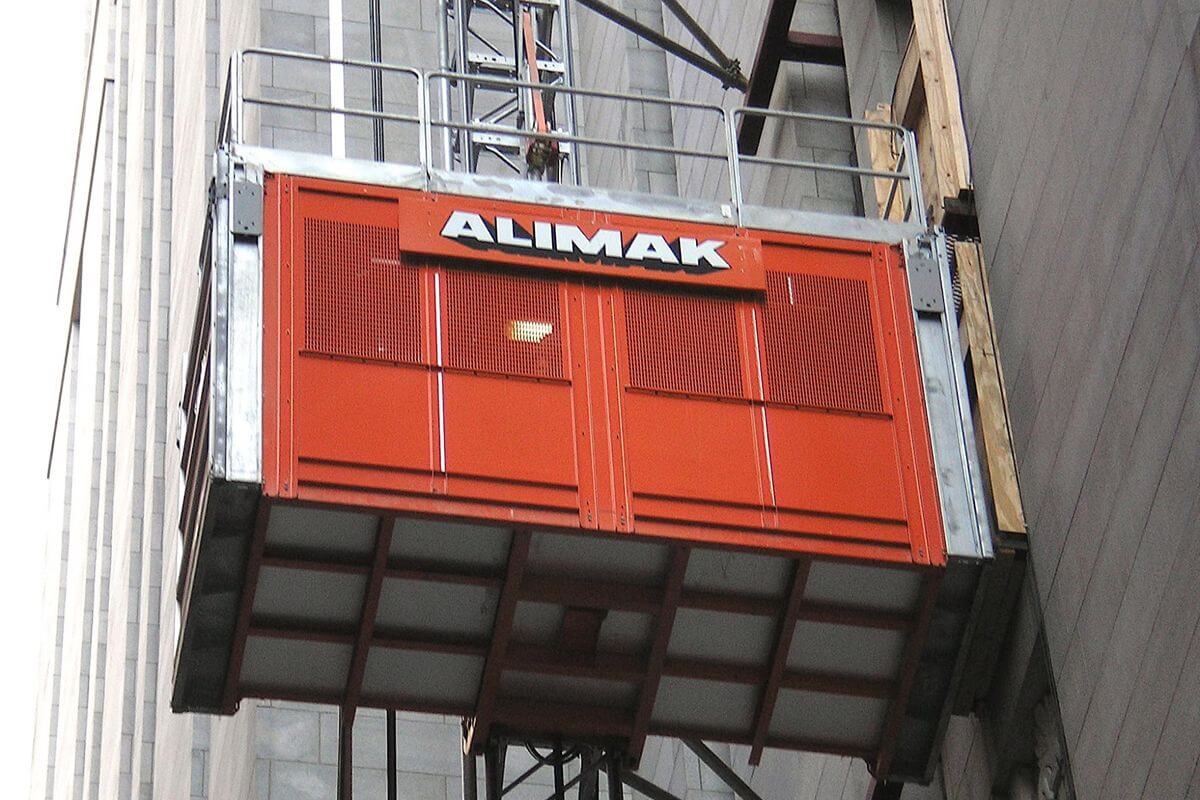
Multico supplies Alimak construction hoists for projects that require reliable movement of personnel and materials between levels.
Our team can help project teams consider their site requirements and identify equipment suited to their application. Explore Alimak construction hoist applications in the Philippines to see how these systems support different construction environments.
Key Takeaway
Understanding why vertical transport planning matters on busy job sites can help project teams improve productivity and safety while keeping material movement efficient. The right construction hoist can support smoother site logistics and help teams manage the changing demands of a project. With Alimak construction hoists from Multico, you can explore equipment options based on your project’s capacity, lifting height, and site requirements.
For guidance on selecting the right solution for your project, contact us today and let our team help you assess your construction hoist requirements.


