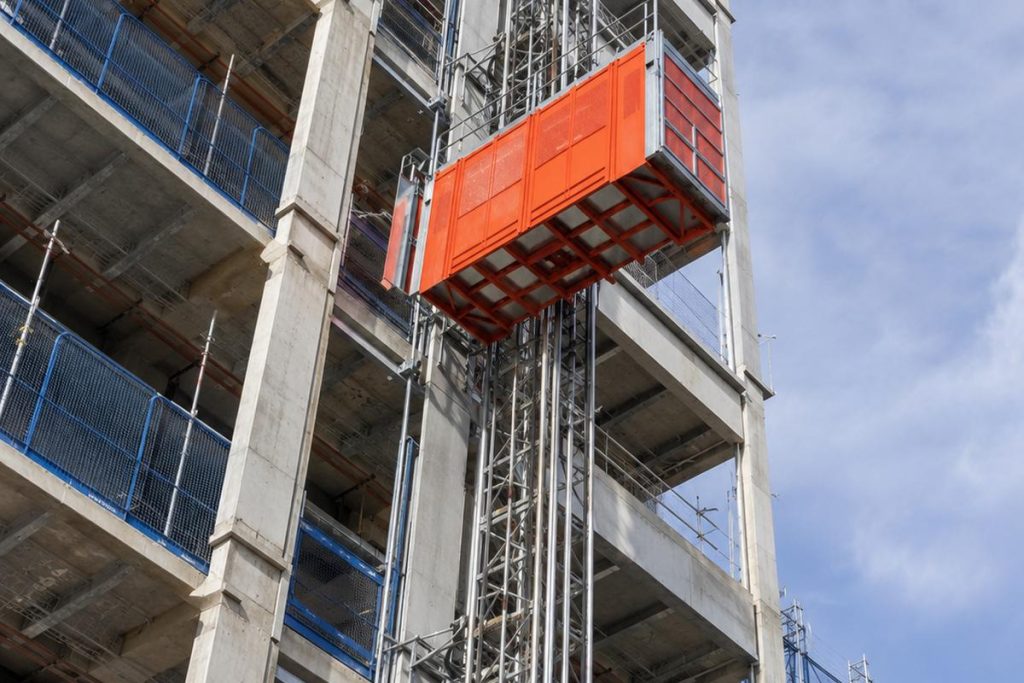
How Do Construction Hoists Improve Worker Safety in High-Rise Projects?
How do construction hoists improve worker safety in high-rise projects?
- Fall and injury prevention
- Built-in fail-safes
- Reduced worker fatigue
- Material containment
- Weather and hazard protection
Overview
- Construction hoists play a vital role in improving safety on high-rise job sites by providing a controlled system for vertical movement of workers and materials.
- This article explains how construction hoists improve worker safety in high-rise projects through fall and injury prevention, built-in fail-safes, reduced worker fatigue, material containment, and weather protection.
- Designed for project engineers, it highlights how hoists help reduce common site risks, improve operational control, and support safer, more efficient construction workflows in complex vertical developments.
Many construction site incidents occur during routine operations such as moving personnel, transporting materials, and accessing elevated work areas. Although these activities are part of daily site workflows, they carry significant safety risks when not properly controlled.
As high-rise projects grow in scale and complexity, the need for safe and efficient vertical transportation becomes increasingly critical. Construction hoists meet this requirement by providing a controlled, reliable system for moving workers and materials between levels.
For project engineers, understanding how construction hoists improve worker safety in high-rise projects is essential in identifying solutions that reduce risk while maintaining operational efficiency and structured site management.
Fall and Injury Prevention
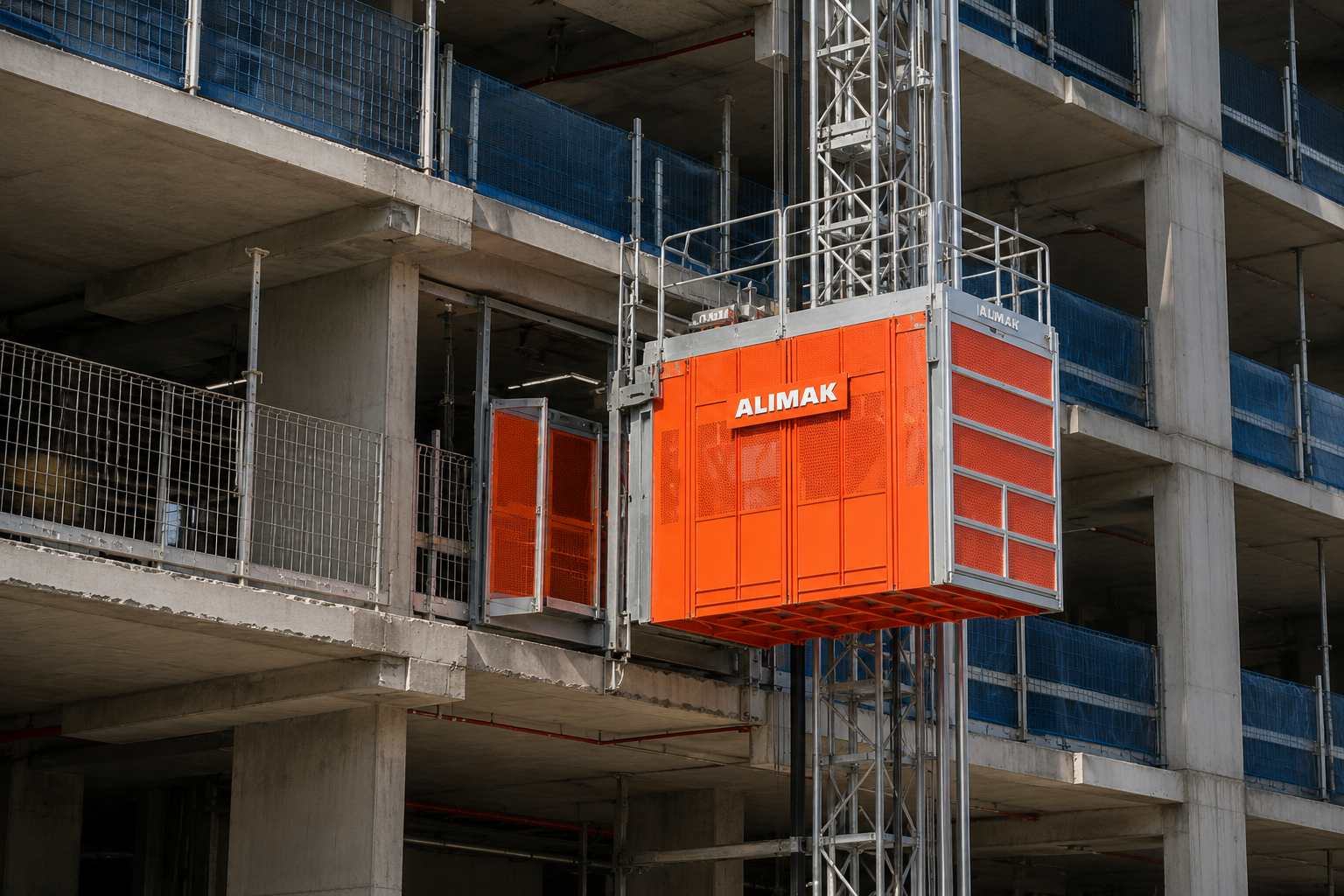
Accessing elevated floors is one of the most frequent activities on a high-rise site. Because workers repeat this transit all day long, even small safety upgrades can drastically reduce the risk of injury over the lifespan of your project.
Construction hoists provide a dedicated, secure system for moving your crew between levels. Instead of forcing workers to rely on temporary scaffolding stairs, ladders, or unfinished access routes, hoists allow them to travel inside a fully enclosed transport platform. This rugged enclosure serves as a continuous physical barrier, eliminating the open-edge fall hazards associated with traditional climbing methods.
Built-In Fail-Safes
To maintain strict site safety, construction machinery must be equipped to handle unexpected mechanical malfunctions without risking worker safety. Automated fail-safes are designed to intervene during operational disruptions, mitigating hazards before they affect your crew.
Within vertical transport systems, these safeguards act as immediate responses to abnormal site conditions. Advanced systems, such as Alimak construction hoists, feature comprehensive safety architectures to guarantee reliable field operation.
- Load Monitoring Sensors: These sensors monitor platform weight and automatically stop operation when capacity is exceeded, preventing overloading.
- Automatic Emergency Braking: If irregular speeds or sudden drops are detected, mechanical brakes activate immediately to safely stop the hoist.
Reduced Worker Fatigue
When workers must manually climb multiple flights of stairs or haul equipment between floors throughout the day, the cumulative physical effort becomes a major source of fatigue. Exhausted crews are far more prone to lapses in concentration, which directly increase site safety risks.
Construction hoists reduce the physical strain associated with vertical site logistics by providing a more efficient means of transport. Rather than repeatedly using temporary stairs or manually carrying heavy tools between levels, workers gain access to a controlled method of movement that reduces unnecessary exertion.
Mechanical handling of heavy loads helps preserve worker energy, maintain focus, and sustain productivity throughout extended shifts.
Material Containment
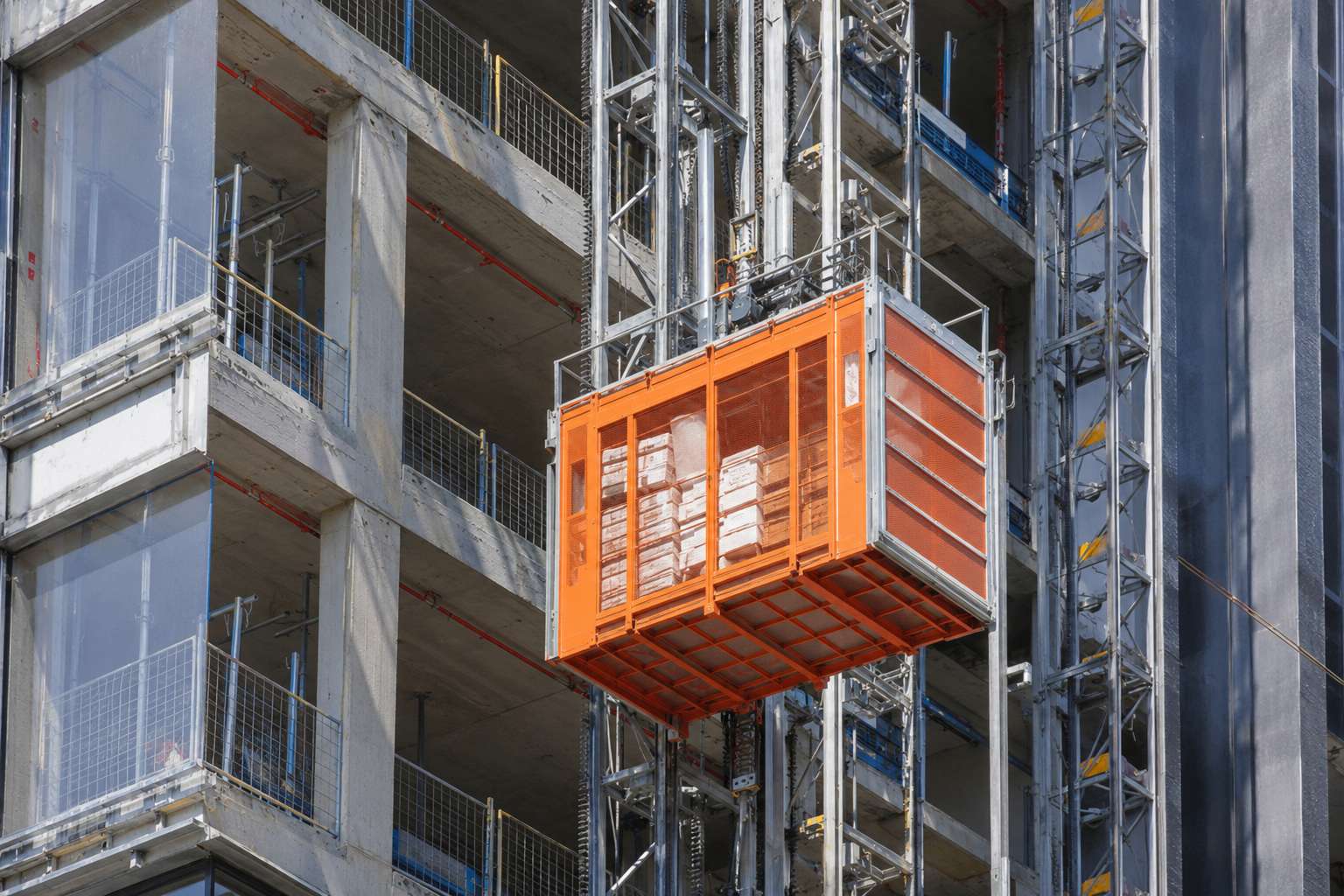
One of the most serious risks in high-rise construction is the accidental dropping of tools or materials during vertical movement. At significant heights, even small objects can pose a serious hazard when they fall to lower levels.
Construction hoists address this risk through fully enclosed mesh or steel cage systems that secure all materials during transport. This enclosure separates moving loads from open edges and pedestrian zones throughout the lifting process.
For heavy or oversized materials, systems such as the Alimak Mammoth demonstrate advanced load-handling capabilities, with a capacity of up to 5,500 kg and a robust structure designed for safe, stable vertical transport in demanding conditions.
Weather and Hazard Protection
Weather is one of the most unpredictable factors in high-rise construction. Sudden wind gusts, heavy rainfall, and extreme heat can create serious operational risks when vertical transport systems are not designed for such conditions.
Modern construction hoists are engineered with environmental protection features that help ensure safe, reliable operation in harsh weather. These systems are also tested and certified against international safety standards to ensure performance under challenging site conditions.
Weather-resistant hoist systems help reduce the likelihood of weather-related downtime while supporting the safe and consistent movement of personnel and materials, regardless of changing site conditions.
Key Takeaway
When evaluating vertical transport systems, it becomes clear how construction hoists improve worker safety in high-rise projects. It is less about adding convenience and more about removing everyday risks embedded in site movement itself.
At Multico, each Alimak construction lift is designed to support diverse construction demands across the Philippines. As an exclusive distributor of Alimak construction hoisting solutions, we ensure our hoists are built for durability, efficiency, and high performance.
Contact us today to learn more about our range of Alimak construction hoist solutions. Our team is ready to support you from initial inquiries through to after-sales maintenance and service.


