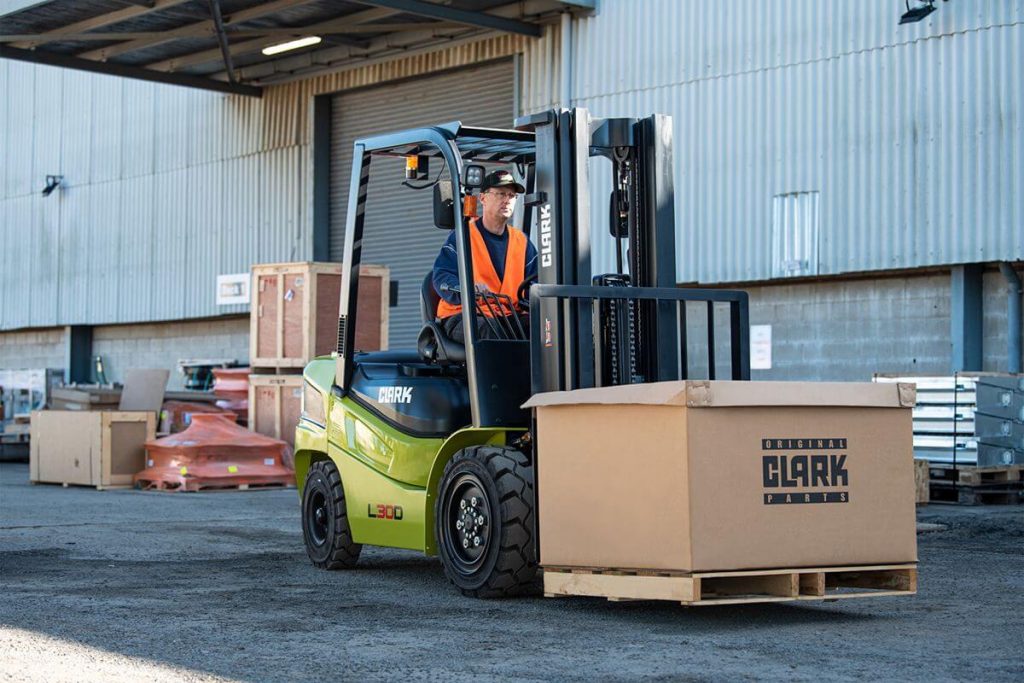
How Rising Diesel Prices Are Impacting Forklift Operating Costs—and What Companies Can Do About It
Overview
- Rising tensions and surging diesel prices are driving up forklift operating expenses and overall warehouse overhead in the Philippines.
- To manage these costs, businesses should focus on preventive maintenance, operator training, route optimization, telematics tracking, and transitioning to energy-efficient electric alternatives like Multico’s Clark forklifts.
Ongoing geopolitical tensions in major oil-producing regions continue to drive volatility in global fuel prices, directly impacting businesses in the Philippines. As petroleum costs fluctuate, companies that rely heavily on diesel-powered equipment must prepare for shifting operational budgets and prioritize fuel efficiency to protect their bottom line.
That applies to businesses using diesel forklifts in the Philippines, as even a small increase at the pump can add up across an entire fleet. In this article, we’ll explore how rising diesel prices impact forklift operating costs and what companies can do to manage them effectively.
How Rising Diesel Prices Impact Costs
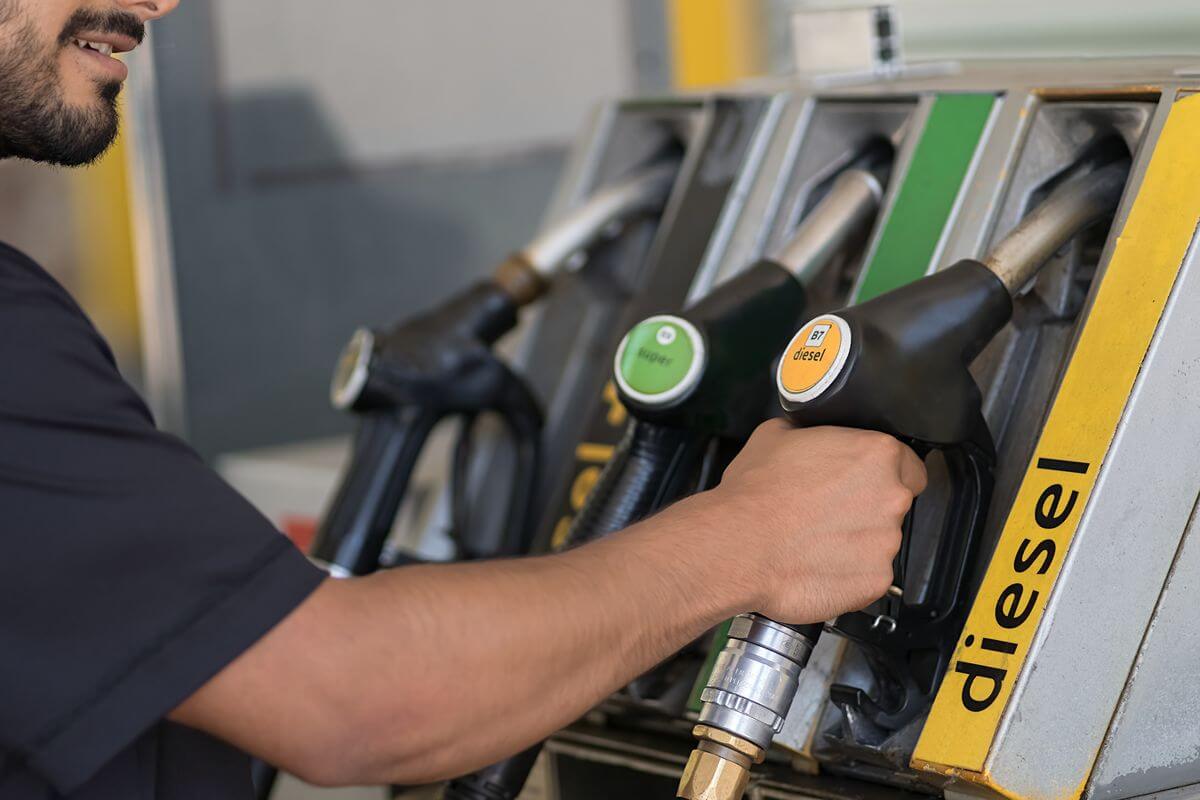
High fuel prices affect more than what a company spends at the fuel station. As operating costs rise, companies may also face greater pressure on maintenance, logistics, and overall profitability.
Higher Fuel Expense
The most immediate effect is the higher amount businesses should spend to keep diesel forklifts operating. Every hour a diesel-powered forklift runs contributes to fuel consumption, so constant use becomes more costly.
This is relevant for facilities running multiple forklifts across long shifts. Even a relatively small increase in the price per liter can create a substantial difference in monthly finances when multiplied across the whole fleet.
Increased Maintenance Costs
Skyrocketing fuel expenditures can also encourage businesses to keep older equipment in service longer to avoid purchasing or upgrading their fleet. However, aging forklifts may become less fuel-efficient and require more frequent repairs, offseting the savings from delaying replacement.
Inadequate upkeep can also worsen the situation. Engine, filter, tire, or other part issues can make equipment work harder and consume more fuel than necessary. This makes consistent servicing crucial when every liter costs more.
Elevated Overhead
Forklift fuel fees rarely exist in isolation. When material handling costs climb, they can contribute to higher warehouse, manufacturing, and logistics overhead. Businesses may therefore need to absorb these expenses, adjust finances, or factor them into product and service pricing.
For procurement teams, fuel efficiency is a crucial consideration. It’s not simply an equipment specification, but a factor that affects total spend.
What Companies Can Do
Although organizations cannot control fluctuations in diesel rates, they can control how their equipment is being utilized. A combination of smarter fleet management, adequate maintenance, and proper equipment selection can help reduce fuel consumption and operational budget.
Switch to Electric Forklifts
Electric models run on battery power, which makes them suitable for indoor warehouses, production facilities, and other settings where clean, quiet operation matters. The right transition relies on the application’s load requirements, operating hours, charging capabilities, and working environment.
Before replacing diesel units, take time to assess whether an electric forklift can provide the capacity and runtime necessary for everyday workflows.
Improve Operator Behavior
Clear operator training helps teams develop more efficient driving habits. Encourage operators to switch off equipment when appropriate, avoid excessive idling, and manage loads using recommended methods to minimize costly operations and support safer forklift use.
Optimize Fleet Routes
Evaluating how materials move through a facility can reveal inefficient routes, congested areas, and repeated trips that maximize operating time. Organizations can improve this by placing frequently used materials closer to workspaces and arranging storage around actual needs.
Shorter, better-planned routes let forklifts do more productive work while spending less time and fuel moving around the facility.
Maintain Equipment Regularly
Regular maintenance is one of the most practical ways to protect forklift efficiency. Clean filters, engines, and tires to prevent unnecessary fuel use. Fleet managers can also follow a preventive maintenance schedule instead of waiting for a breakdown.
When inspections are prioritized, forklifts operate efficiently because teams identify and address potential mechanical issues before they become serious problems.
Upgrade Telematics
Telematics can give businesses a clearer picture of how their forklifts are being used. Depending on the system and its configuration, operators may be able to track working hours, idle time, equipment use, and other data that can reveal inefficiencies.
Instead of relying on assumptions, organizations can use real data to improve equipment scheduling, operator strategies, and fleet utilization.
Explore Electric Forklifts from Multico
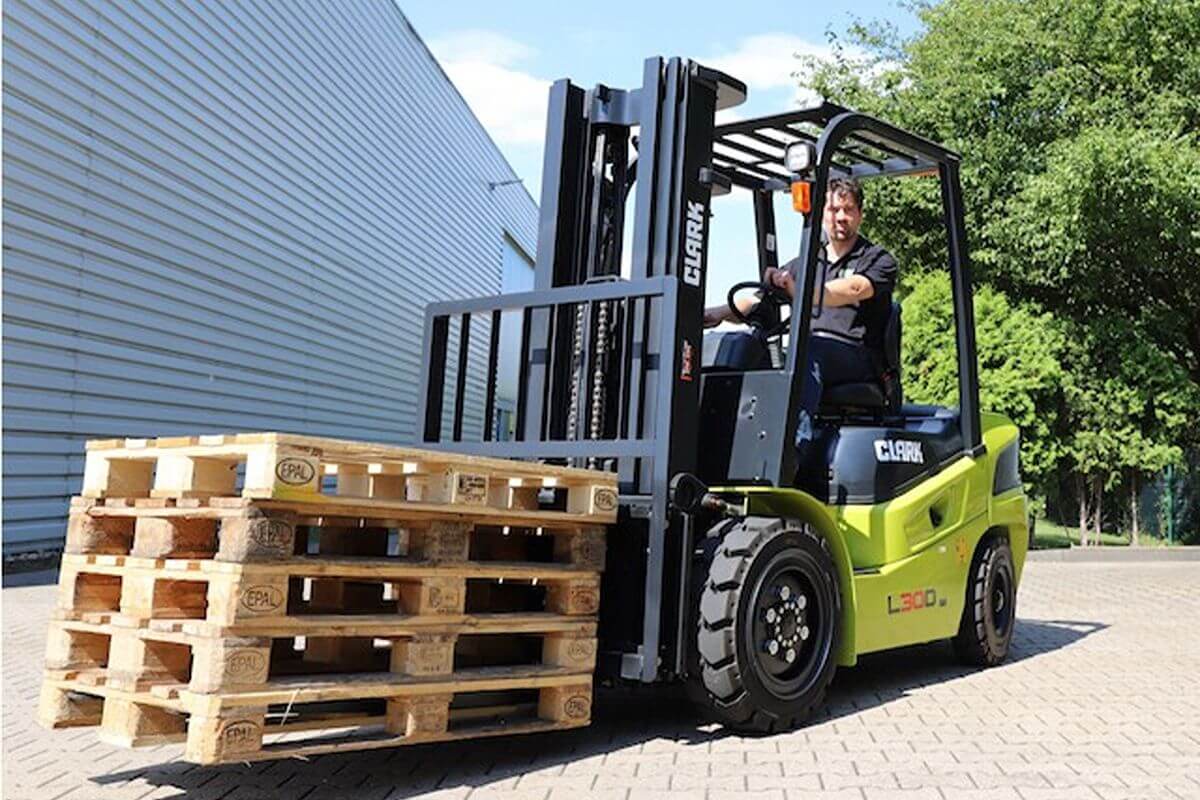
With extensive experience supplying reliable equipment for industrial and material handling applications, Multico Prime Power Inc. helps organizations identify forklift systems that match operational needs, working environment, and objectives.
For companies looking to reduce their reliance on diesel-powered equipment, Multico offers quality Clark forklifts backed by its industry expertise and equipment support. Our electric forklift options include:
- Clark EPX30: The Clark EPX30 is an electric four-wheel forklift with ergonomic, elevated seating, robust mast and fork carriage construction, an intuitive operating concept, and easy maintenance.
Properties: Capacity: 3.0 tons; Most Common Type: Triple Stage (container application); Power: Battery
- Clark GTS30L: The Clark GTS series is known for exceptional durability and reliability, with strong construction and top-quality components such as wet disc brakes and a split transmission.
Properties: Capacity: 3.0 tons; Most Common Type: Triple Stage (container application); Fuel: LPG; Transmission: Automatic
Key Takeaway
Understanding how rising diesel prices impact forklift operating costs helps teams take practical action through better operator practices, preventive maintenance, and alternative equipment options. This helps keep material handling workflows productive and future-ready.
For businesses exploring dependable forklift solutions, you can trust Multico Prime Power Inc. We help companies choose the right equipment based on their facility requirements. Reach out to us today to learn more.


