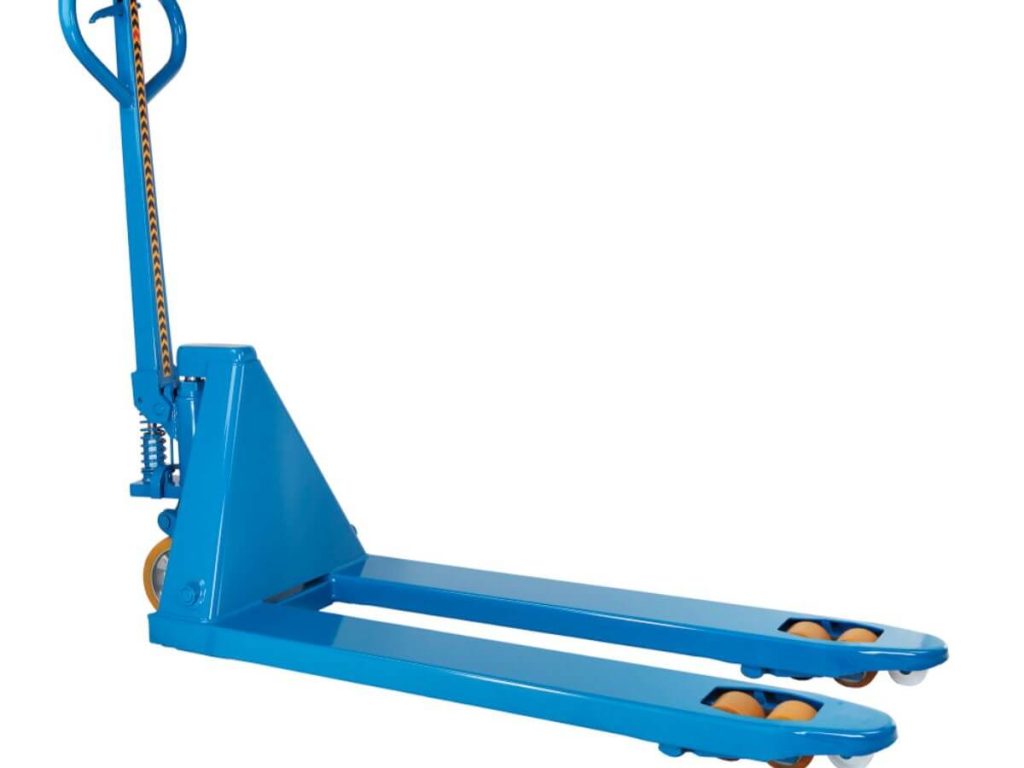
6 Factors Influencing the Load Capacity of a Hand Pallet Truck
What are the factors that influence the load capacity of a hand pallet truck?
- Structural design and materials
- Hydraulic system strength
- Wheel type and quality
- Load distribution and position
- Operating environment
- Operator technique
Overview
- Understanding the factors affecting hand pallet truck load capacity is essential for safety and efficiency.
Key influences include structural design, hydraulic strength, wheel type, load distribution, operating conditions, and operator technique.- Proper usage prevents overloading, reduces equipment wear, improves handling performance, and extends lifespan while maintaining smooth warehouse operations.
Knowing the factors influencing the load capacity of hand pallet trucks is essential for both safety and operational efficiency in any warehouse or logistics environment. Overloading a pallet truck doesn’t just risk accidents—it can also compromise workflow, damage goods, and put operators in harm’s way.
Keeping each load within the equipment’s rated capacity supports safer operation and helps extend pallet truck service life. Understanding these factors improves warehouse handling practices, protects workers, and minimizes maintenance costs. This article explores how proper use enhances efficiency and promotes long-term equipment durability.
Structural Design and Materials
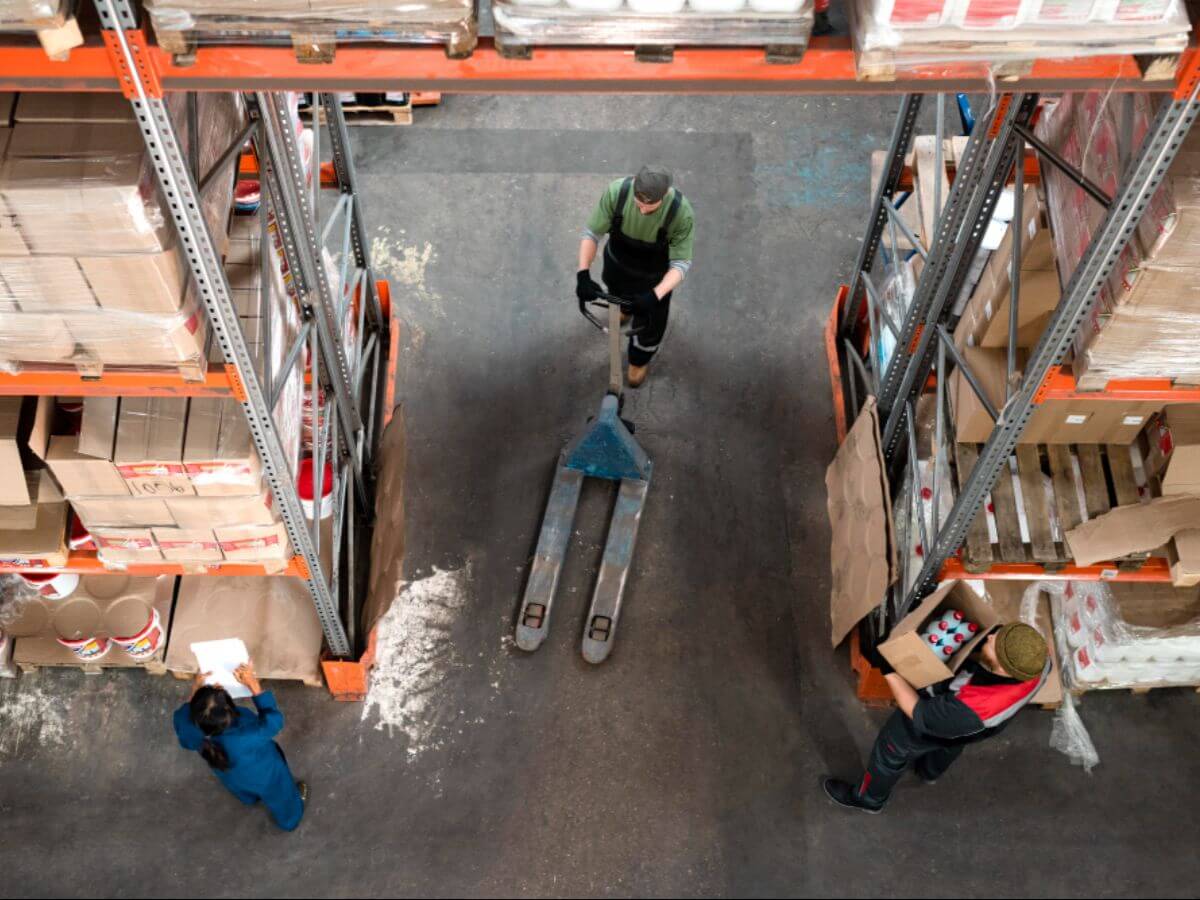
The structural design of a hand pallet truck serves as the primary foundation for weight-bearing capacity, distributing concentrated loads across a wide enough area to match the ground’s bearing capacity.
Similarly, the choice of materials, such as steel, and the geometry of the forks are equally important, as they determine how the machine performs under tension.
Fork Type
Fork thickness and reinforcement are key factors in determining how much weight a pallet truck can safely lift without bending. Standard forks are typically made from mild steel, while heavy-duty models often include additional reinforcement plates underneath to support concentrated loads.
Fork length and width also contribute to stability, as longer forks provide a larger surface area for more balanced weight distribution. Selecting the appropriate fork configuration helps keep pallets level during transport and improves overall handling safety.
Frame Strength
The frame acts as the main chassis, connecting the forks to the hydraulic unit and steering wheels. High-quality frames are commonly built from high-tensile steel and feature reinforced connection points in areas that experience the greatest stress during lifting.
A weak frame may flex under heavy loads, potentially causing wheel misalignment and accelerated wear. A rigid, properly welded frame helps preserve structural integrity and supports reliable performance during frequent daily operations.
Hydraulic System Strength
The hydraulic pump serves as the core lifting mechanism of a hand pallet truck, converting manual handle strokes into the fluid pressure needed to raise heavy materials. Despite its lifting capability, understanding the pump’s limitations remains critical for safe and efficient operation.
Pump Capacity
A hydraulic pump rated for 2,500 kg is designed with a specific cylinder volume capable of generating enough force to elevate loads with minimal manual effort from the operator.
When a load exceeds the pump’s rated capacity, built-in safety mechanisms typically activate to prevent lifting and protect internal seals from damage or failure. Understanding these limitations helps maintain lift responsiveness, preserve system performance, and support long-term equipment reliability.
Maintenance
Consistent maintenance of the hydraulic system is necessary to keep the lifting capacity at its peak. This involves the following:
- Daily inspection
- Bleeding the pump
- Oil level check
- Lubrication
- Tightening fittings
- Seal inspections
Wheel Type and Quality
Wheels are the only contact point between the load and the floor, making them critical for both weight support and maneuverability.
Material Type
The material of the wheel determines how much rolling resistance is created and how well the truck handles different floor surfaces. Here are the commonly used materials that are considered factors influencing the load capacity of a hand pallet truck:
- Polyurethane: Durable, non-marking wheels that provide smooth and quiet movement, ideal for retail or finished warehouse floors.
- Rubber: Offers strong grip and shock absorption on uneven or damp surfaces, but may compress under very heavy loads.
- Nylon: Highly durable with low rolling resistance, best suited for heavy loads on smooth, level floors.
Load Distribution and Position
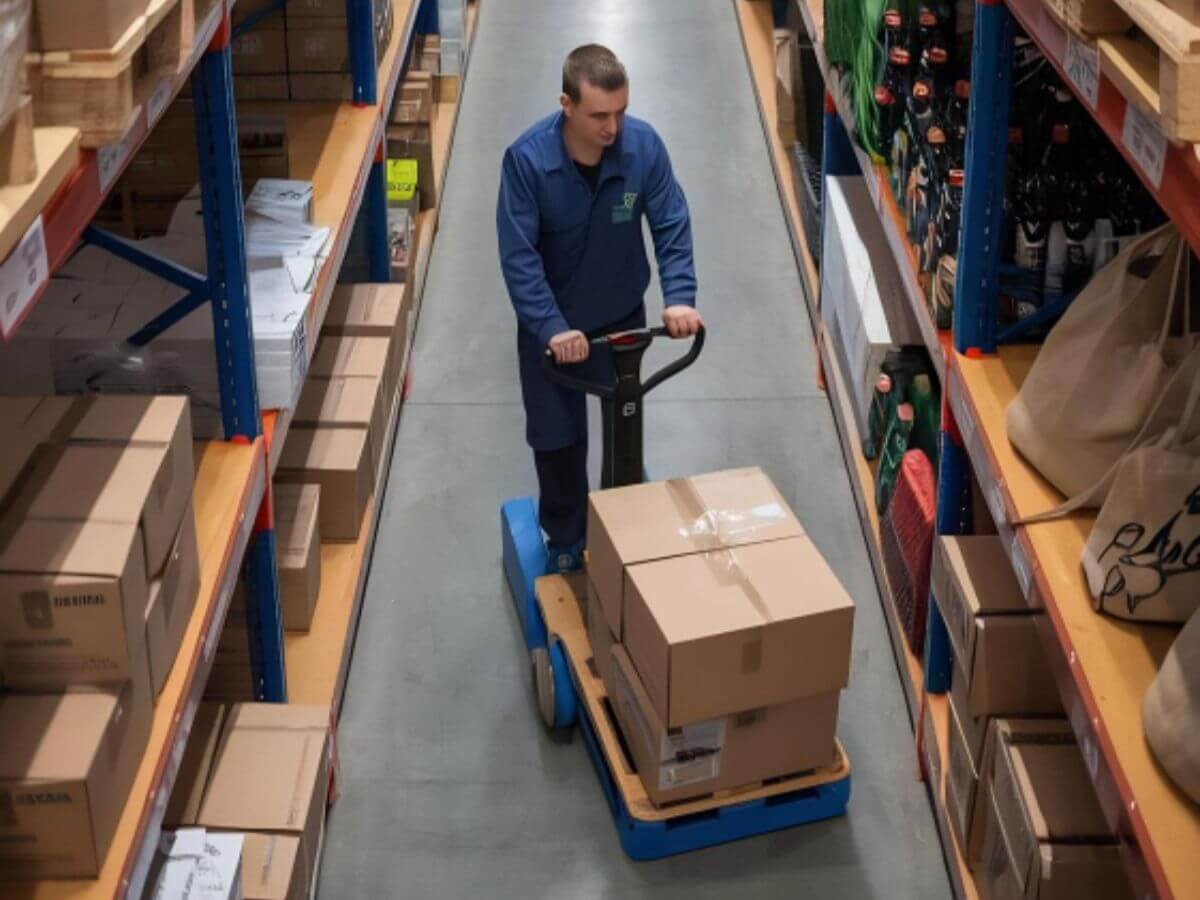
Load placement on the forks is just as critical as the total weight being transported. Improper positioning can destabilize the pallet truck, create uneven hydraulic strain, and increase the risk of equipment damage or workplace accidents.
Centered Loads
A load should be centered both laterally and longitudinally to maintain proper balance during lifting and transport. Off-center loads can cause one fork to rise higher than the other, resulting in uneven weight distribution.
This imbalance places twisting stress on the frame and wheels, which may lead to bent components, flat spots on rollers, or premature chassis wear.
Load Center Distance
Load center distance refers to the measurement from the back of the forks to the load’s center of gravity. Most pallet trucks are rated based on a standard 600 mm load center, making proper balance essential for safe lifting.
When heavy loads are positioned too far toward the fork tips, a lever effect is created that increases strain on structural welds and may even cause the rear wheels to lift off the ground. Proper load positioning helps preserve equipment integrity while improving handling safety.
Operating Environment
The conditions of the workspace are one of the factors influencing the load capacity of hand pallet trucks. It directly impacts how much effort is required to move a load and how the materials behave under stress.
Floor Surface
Warehouse floor condition directly affects truck capacity. Smooth, level floors allow maximum load handling, while cracks, slopes, or debris increase the resistance and effort needed to move loads. In poor conditions, reducing load weight is often necessary to prevent wheel strain or getting stuck.
Temperature
Extreme temperatures affect both the metal components and hydraulic fluids of a pallet truck. Cold conditions can thicken hydraulic oil, making operation harder, while excessive heat can thin the oil and cause leaks. Using the correct hydraulic oil grade ensures consistent performance across varying operating temperatures year-round.
Operator Technique
The longevity of the equipment often comes down to how the operator interacts with it. Smooth, controlled handle strokes are more effective and less damaging than rapid, jerky movements.
Additionally, starting or stopping a heavy load too abruptly puts immense shear stress on the wheels and the frame. Training operators to use steady movements helps maintain the structural integrity of the truck for years.
Key Takeaway
The load capacity of a hand pallet truck is influenced by more than just its stated rating. Various factors and components work together to determine safe and efficient lifting.
Choosing the right equipment is essential for protecting both your workforce and your warehouse productivity. Here at Multico, we supply durable, high-quality hand pallet trucks engineered for strength, reliability, and long-term performance. Contact us today to find the right material handling solution that matches your operational demands.


