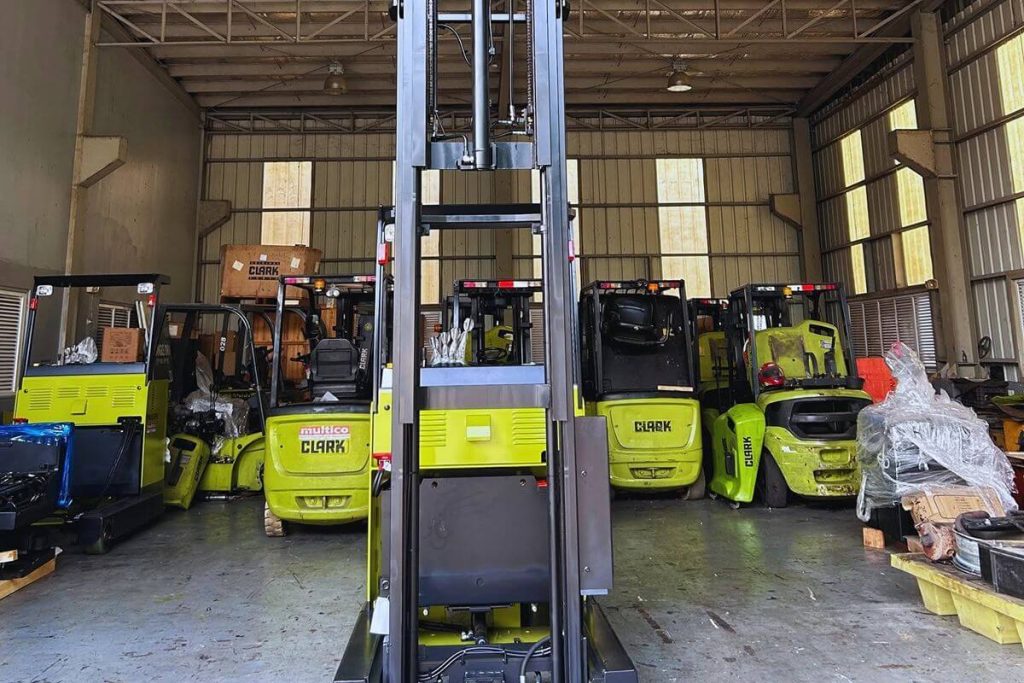
Diesel vs. Electric Forklifts Lithium-ion: Which Offers Better ROI
Overview
- Forklift selection is critical for material handling operations, with diesel and electric lithium-ion models offering different advantages and considerations for long-term ROI.
- Electric lithium-ion forklifts provide lower energy and maintenance costs, quieter operation, and zero tailpipe emissions, while diesel models offer strong power, outdoor capability, and continuous performance for demanding applications.
Choosing the right forklift can affect operating costs, productivity, and long-term equipment value. Businesses that handle materials across warehouses, distribution centers, and industrial sites must consider whether an electric lithium-ion or diesel model fits their workload. Multico supplies Clark forklift solutions in the Philippines for different material handling requirements.
Hangcha
When comparing diesel vs electric lithium-ion forklifts ROI (return on investment), buyers need to look beyond the purchase price. Energy use and servicing requirements can affect long-term value, while the available charging setup and work environment can influence which option makes more sense for a specific operation. This article examines these factors to help procurement teams and project engineers make a more informed equipment decision.
Cost Comparison Breakdown
The purchase price is only one part of a forklift’s total cost of ownership. Electric lithium-ion models can have higher initial costs, but their energy and servicing requirements may help reduce expenses over time. Diesel units can provide strong performance for demanding applications, although fuel consumption and engine maintenance add to operating costs.
| Cost Category | Electric (Lithium-ion) | Diesel |
|---|---|---|
| Upfront Cost | Generally higher initial purchase price | Generally lower initial cost |
| Energy Expense | Uses electricity instead of diesel fuel | Requires regular diesel fuel |
| Maintenance | Fewer components and less battery maintenance | Requires engine and mechanical maintenance |
| Downtime / Refuel | Supports opportunity charging throughout the day | Requires refueling when fuel runs low |
Lithium-Ion Advantages
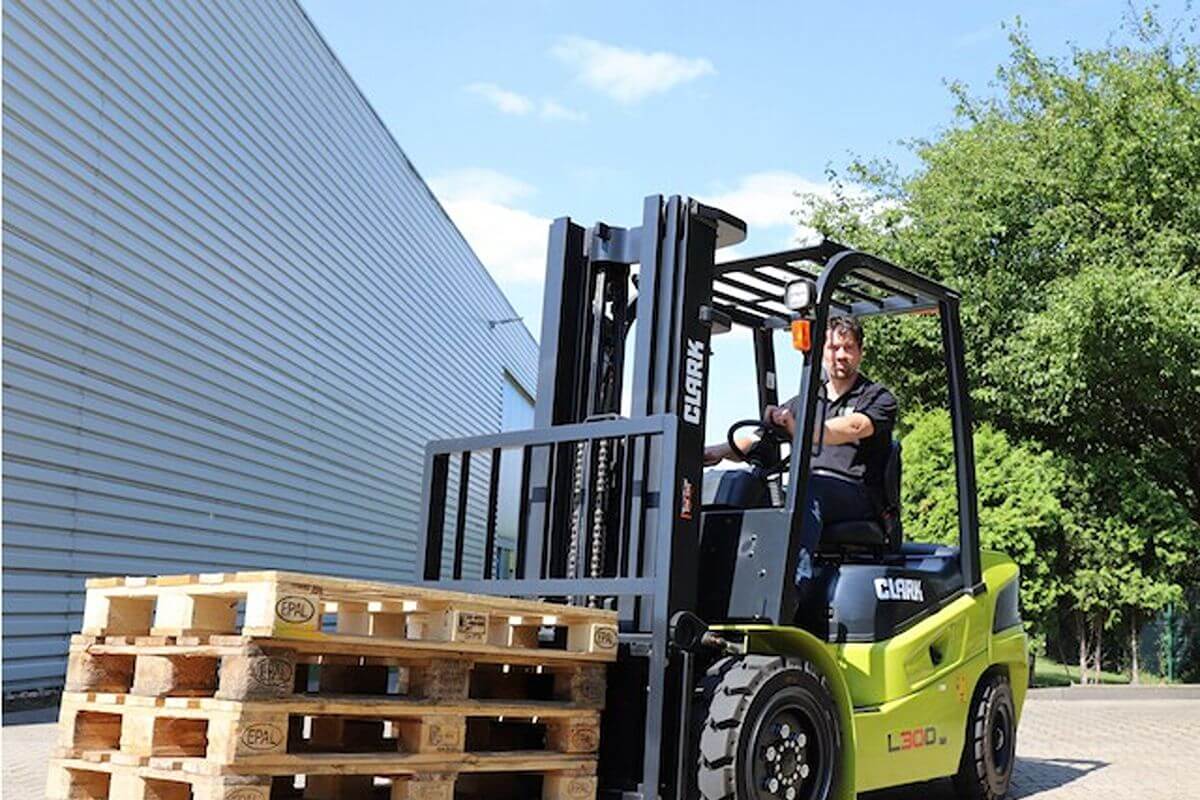
Lithium-ion forklifts can help businesses control day-to-day operating expenses while supporting cleaner and quieter material handling. Multico’s Clark LEP Lithium Forklift is one example of equipment designed for modern material handling needs.
Opportunity Charging
The Clark LEP lithium forklift supports charging during breaks or periods of inactivity. Operators can avoid battery swapping between shifts. Its lithium-ion battery also eliminates the need for a dedicated battery charging room.
Long Lifespan
The Clark LEP lithium-ion battery is rated for up to 2,500 charging cycles. Proper use and maintenance can help businesses get long-term value from the equipment.
Zero Emissions
Electric forklifts produce no tailpipe emissions during operation. This can make them suitable for indoor facilities where exhaust control is an important consideration.
Fewer Moving Parts
Electric forklifts have fewer components that require servicing than engine-powered units. Clark electric forklifts also feature accessible components and onboard diagnostics that can simplify maintenance.
Diesel Considerations
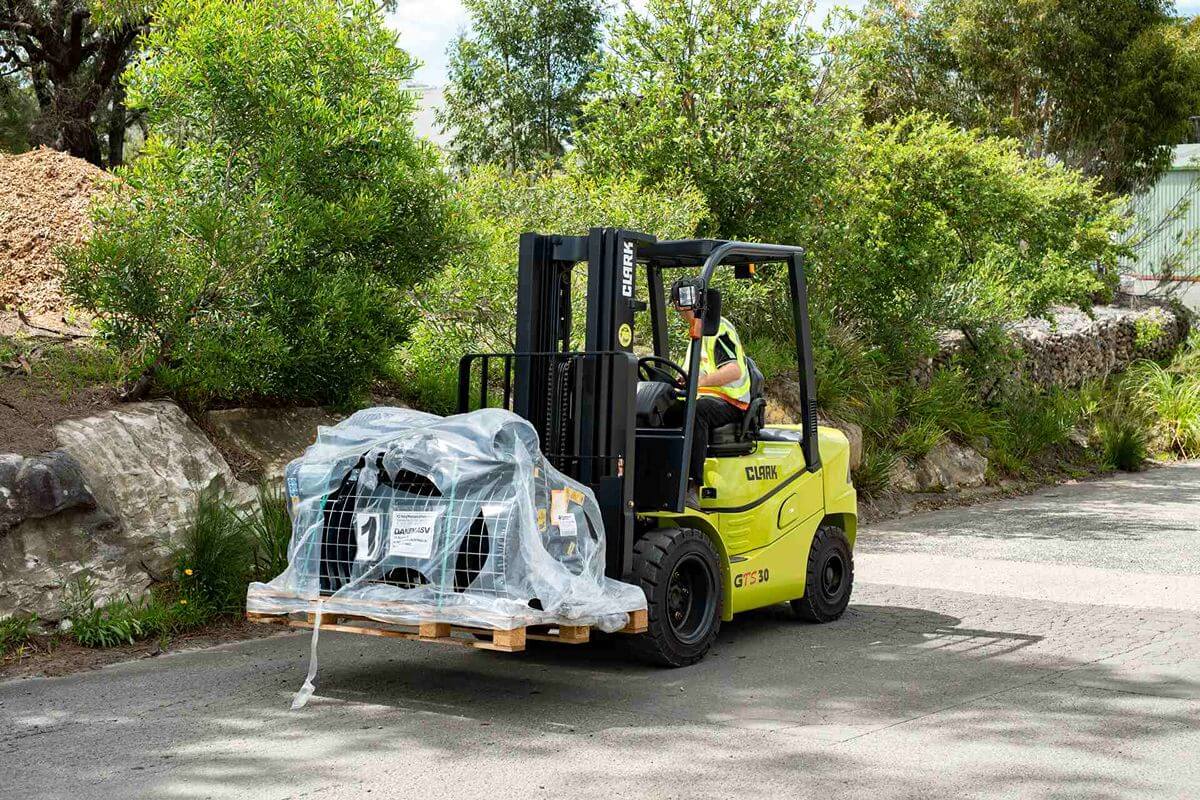
Diesel forklifts remain a practical option for operations that demand substantial power and outdoor capability. Multico’s discussion of Clark LPG and diesel forklifts highlights their use in demanding material handling applications.
Heavy Outdoor Use
Internal combustion forklifts can work well in outdoor environments such as construction sites and open yards. Their power and ability to handle challenging surfaces can support demanding applications.
Continuous Duty
Diesel models can support workloads that require sustained power and substantial lifting capacity. The appropriate unit still depends on the required load and working conditions.
Fuel Volatility
Diesel equipment depends on fuel for operation. Changes in fuel prices can affect long-term operating expenses. Electric forklifts use electricity instead, creating a different energy cost structure.
Exhaust Management
Diesel forklifts produce exhaust emissions during operation. This makes the work environment an important factor when deciding between an internal combustion model and an electric forklift.
Hidden Costs & Risk Factors
The purchase price and energy source do not tell the entire ROI story. Your facility and workload can affect the overall value of each forklift type.
Infrastructure Costs
Lithium-ion forklifts need access to suitable electrical outlets for charging. The Clark LEP does not require a dedicated charging room. Buyers should still assess their facility’s electrical setup before purchasing.
Grid Reliance
Electric models depend on electricity for charging. Your team should consider its charging schedule and available power supply when planning daily operations.
Terrain Limitations
The work environment can influence forklift selection. Electric models can suit indoor applications, while internal combustion units can provide advantages for outdoor work and challenging terrain.
Choose the Right Forklift for Your Operations With Multico
The right forklift depends on how you plan to use it. Your required lifting capacity and work environment can also affect the choice. Consider the demands of your operation before deciding which equipment best fits your needs.
At Multico, we can help you assess Clark forklift solutions for your material handling requirements. Our team can guide you toward equipment that supports reliable and efficient operations.
Key Takeaway
The diesel vs electric lithium-ion forklifts ROI comparison goes beyond the initial purchase price. Energy use can affect long-term operating expenses, while servicing requirements can influence ongoing ownership costs. Your facility and application should also factor into the decision.
At Multico, we can help you evaluate Clark forklift solutions for your specific application. For equipment guidance and inquiries, contact us today to discuss your material handling needs.


