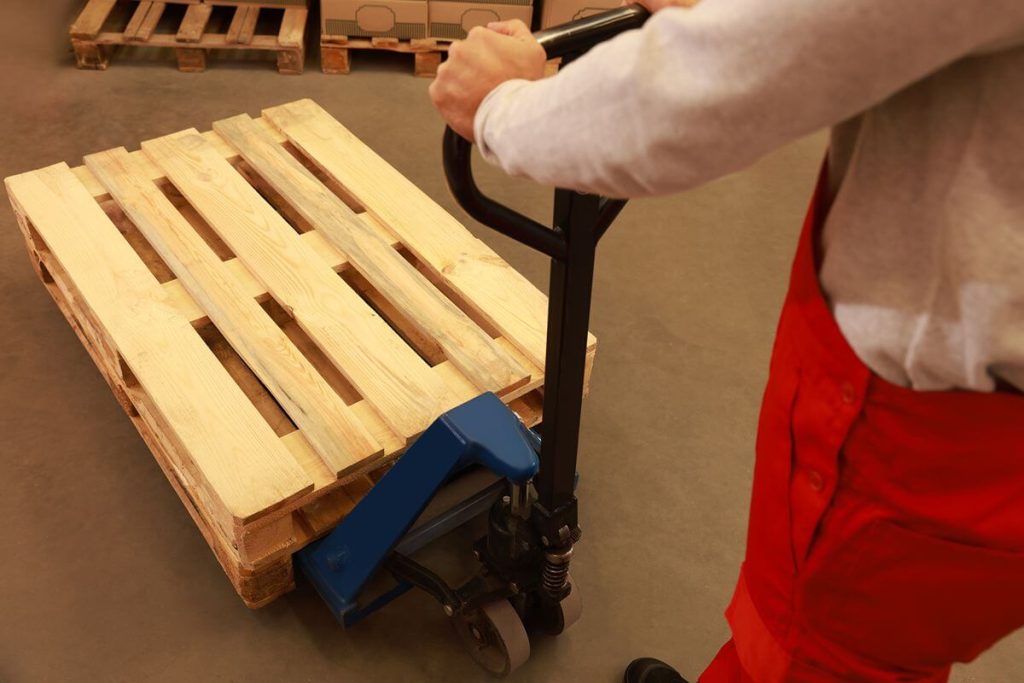
The Hidden Cost of the Wrong Pallet Truck: How a Small Tool Can Bottleneck Your Whole Warehouse
How can the wrong pallet truck create hidden costs and bottlenecks in your warehouse?
- Product and goods damage
- Premature equipment wear & service bills
- Labor inefficiency & fatigue
- Safety & injury liabilities
- Accessorial & delivery surcharges
Overview
- The hidden cost of the wrong pallet truck goes beyond its initial purchase price and can affect warehouse efficiency, inventory, maintenance expenses, and worker safety.
- Learn how unsuitable equipment can raise operating costs and what to consider before buying.
- Discover how load capacity, wheel material, fork dimensions, and ergonomics help you choose a suitable Bishamon hand pallet truck for your warehouse.
Choosing the right pallet truck helps your warehouse move goods efficiently and control operating expenses. However, a model that does not suit your workload can create problems that outweigh its initial price. Multico Prime Power, Inc. supplies Bishamon hand pallet trucks to businesses that need reliable material-handling equipment.
The hidden cost of the wrong pallet truck extends beyond the purchase price. An unsuitable model can damage inventory and increase maintenance expenses. It can also slow warehouse operations and place extra strain on workers.
Before investing in a new unit, assess how its specifications match your facility’s needs. This article examines the operational costs of poor equipment selection and the key factors to consider before choosing a model.
Product and Goods Damage
Pallet trucks must support loads securely during transport. Forks that are too short may not support the pallet properly. Likewise, a truck with an inadequate load rating may not safely handle your goods. These mismatches can cause unstable loads and damage products or packaging.
Damaged inventory can lead to replacement costs and delayed orders. Our guide on factors to consider when buying a hand pallet truck explains why load capacity and fork dimensions matter when you select equipment for your facility.
Premature Equipment Wear & Service Bills
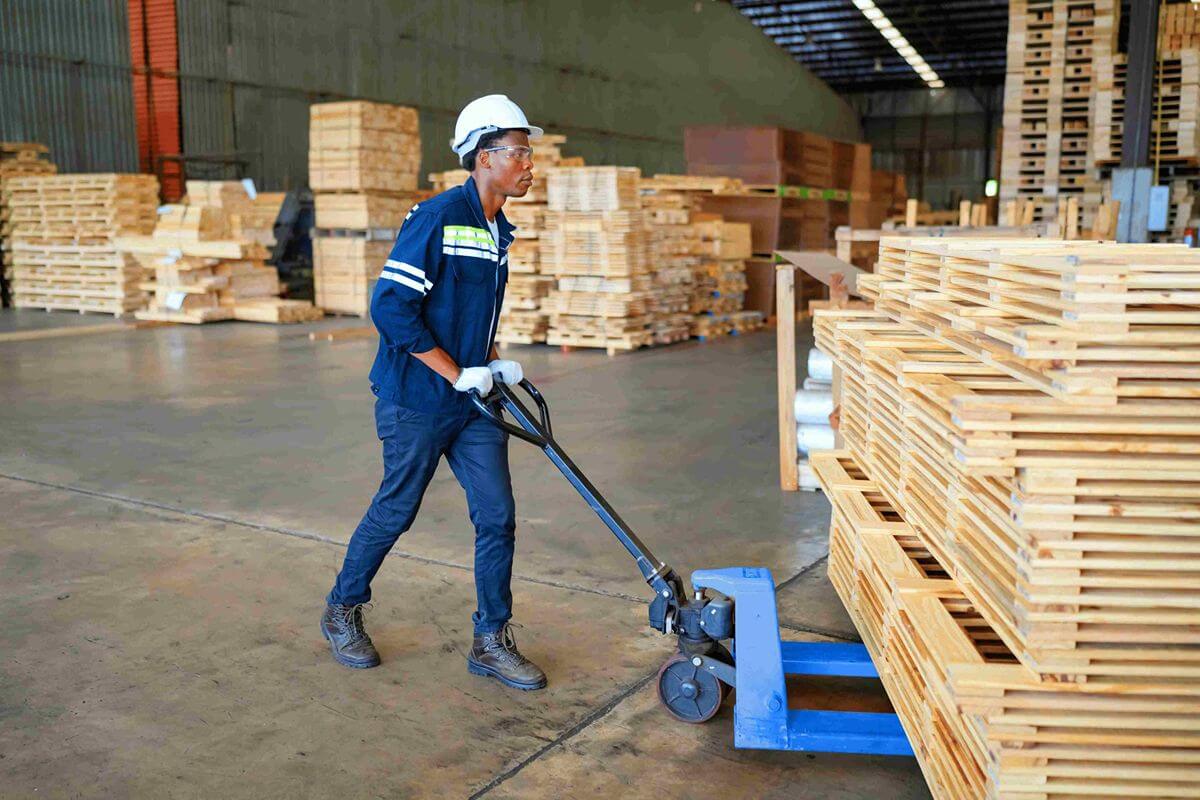
A pallet truck that cannot handle your routine workload may experience excessive strain. Unsuitable wheels can also increase rolling resistance on certain floor surfaces. Over time, these conditions can contribute to premature wear and frequent repairs.
Every breakdown can disrupt warehouse operations and increase maintenance expenses. To assess long-term value, look beyond the initial purchase price. Consider the unit’s durability and maintenance requirements. Warranty coverage and expected service life also help you evaluate its total cost of ownership.
Labor Inefficiency & Fatigue
The wrong pallet truck can make routine transfers more physically demanding. A manual model may work well for short trips and occasional movements, but frequent travel across a large warehouse can exhaust operators. Fatigue can reduce work pace and make it harder to maintain consistent productivity.
Electric pallet trucks can reduce the physical effort required for repetitive material handling. Our guide on how electric pallet trucks help reduce operator fatigue explains when powered assistance may be useful. Consider your daily handling volume and typical travel distances before you decide which type suits your operations.
Safety & Injury Liabilities
A pallet truck that doesn’t suit the load or work environment can increase accident risk. Poor maneuverability can make it difficult to navigate tight aisles, while excessive manual effort can strain workers. Workplace injuries can lead to medical expenses and operational disruptions.
Proper equipment selection is only part of the solution. Operators must follow load limits and inspect the truck before each shift. They also need clear travel paths and appropriate training. For practical operating guidance, see our article on how to use a pallet truck.
Accessorial & Delivery Surcharges
An unsuitable pallet truck can slow down loading and unloading. Workers may need extra time to reposition goods or use alternative equipment to complete a transfer. These delays can disrupt dispatch schedules and may result in additional handling or waiting charges, depending on the carrier’s terms.
Choosing a truck that suits your pallets and loading areas can help reduce avoidable delays. It can also support more predictable turnaround times for warehouse deliveries.
How to Match the Right Equipment
Before you buy a pallet truck, assess the conditions your team will use it in. Consider the following factors to find a model that meets your operational needs:
| Factor | Wrong Choice (Hidden Cost) | Right Choice (Operational Saving) |
|---|---|---|
| Capacity & Duty Cycle | An undersized truck may wear out early or create unsafe handling conditions. | Choose a rated capacity that covers your heaviest routine loads and a model suited to your workload. |
| Wheel Material | Unsuitable wheels can increase rolling resistance or damage certain floor surfaces. | Select wheels that suit your flooring and operating environment. |
| Fork Geometry & Size | Incorrect fork dimensions can compromise pallet support or restrict movement in narrow aisles. | Match fork length and width to your pallets and available clearance. |
| Ergonomics | Manual handling over long distances can increase fatigue. | Consider powered assistance for demanding workloads and prioritize comfortable controls. |
You should also compare manual and electric models based on travel distance and daily workload. Factor in maintenance needs and charging requirements before you decide. Our guide to manual versus electric hand pallet trucks explains the key differences.
How to Choose the Right Pallet Truck for Your Warehouse with Multico
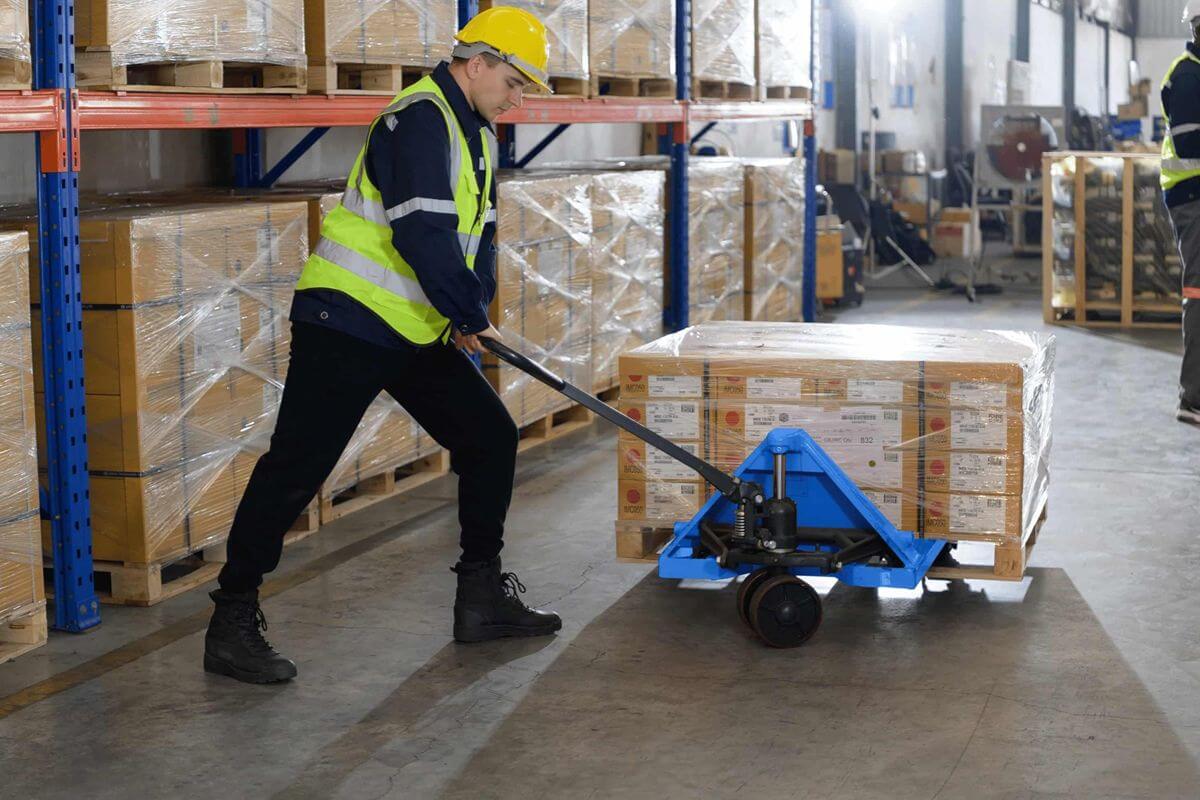
The right equipment should match your facility’s layout and daily workload. Multico distributes Bishamon hand pallet trucks for warehouse and industrial material handling. These trucks offer features such as polyurethane wheels and an ergonomic molded grip handle. Models also differ in capacity and fork dimensions, so you can choose the specifications that suit your operation.
Explore our guide to hand pallet trucks for businesses to learn more about their role in material handling. Before selecting a model, review your load requirements and pallet dimensions. Check your floor conditions and consider how far your team needs to transport goods during a typical shift.
Key Takeaway
The hidden cost of the wrong pallet truck can extend beyond its purchase price. The wrong model can damage inventory, increase maintenance expenses, slow warehouse operations, and place extra strain on workers. To avoid these costs, assess your load capacity, pallet dimensions, floor conditions, and daily handling requirements before choosing a unit.
At Multico, we help businesses identify reliable Bishamon hand pallet trucks that suit their material handling needs. Contact us today to discuss your warehouse requirements and find a suitable option for your operations.


