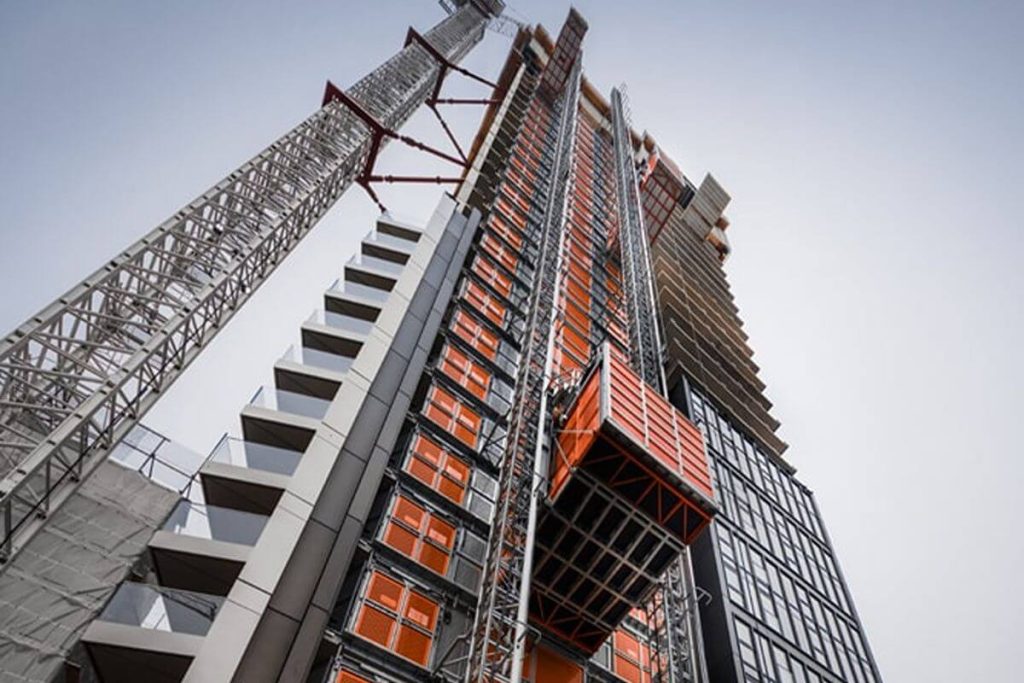
Safety Factors to Review Before Using Hoisting Equipment on Site
What safety factors should you review before using hoisting equipment on site?
- Pre-lift & load evaluation
- Equipment & rigging inspection
- Mechanical & control testing
- Personnel & site control
Overview
- Reviewing hoisting safety factors helps construction teams prevent accidents and maintain reliable lifting operations on site.
- This article explains the key factors to assess before using hoisting equipment, including load capacity, equipment condition, mechanical systems, site controls, and operator readiness.
- Designed for construction project teams, it highlights how proper equipment selection and pre-lift checks can support safer, more efficient lifting activities.
Hoisting equipment plays an important role in construction projects, but improper lifting practices can lead to dropped loads, equipment failure, worker injuries, and other site accidents. In the Philippines, the Occupational Safety and Health Standards (OSHS) and DOLE Department Order No. 13, Series of 1998 provide safety guidelines for construction activities and workplace hazards. These requirements make proper equipment inspection and safe operation important parts of lifting activities. Choosing suitable construction hoist equipment can also help your team meet project requirements.
Before selecting or operating a hoist, you need to evaluate its capacity and condition. You should also consider the work area and the people responsible for the lift. Understanding the safety factors to review before using hoisting equipment on site can help you identify potential hazards and make informed decisions. This article breaks down the primary factors to assess before each lifting operation.
Pre-Lift & Load Evaluation
Before a lift begins, confirm that the equipment is suitable for the intended load and work area. A proper evaluation can help prevent overloading and unstable loads. It can also reduce unnecessary strain on the hoisting system.
Determine Load Weight
Confirm the total weight of the materials or equipment before lifting. Include any securing equipment or accessories that will travel with the load. Accurate weight information helps you select lifting equipment with sufficient capacity.
Check Safe Working Load (SWL) / Capacity
Compare the load weight with the hoist’s rated capacity before operation. Construction hoists have different rated capacities and configurations, so choose a unit that can safely handle the project’s requirements.
Center of Gravity
Identify the load’s center of gravity before lifting. This helps maintain stability as the load moves. An unevenly distributed load can shift during transport and create additional risks for workers and equipment.
Site & Environmental Survey
Check the work area before operating the hoist. Look for obstructions and access limitations that could interfere with the lifting path. You should also consider weather conditions and other site hazards that may affect the operation.
Equipment & Rigging Inspection
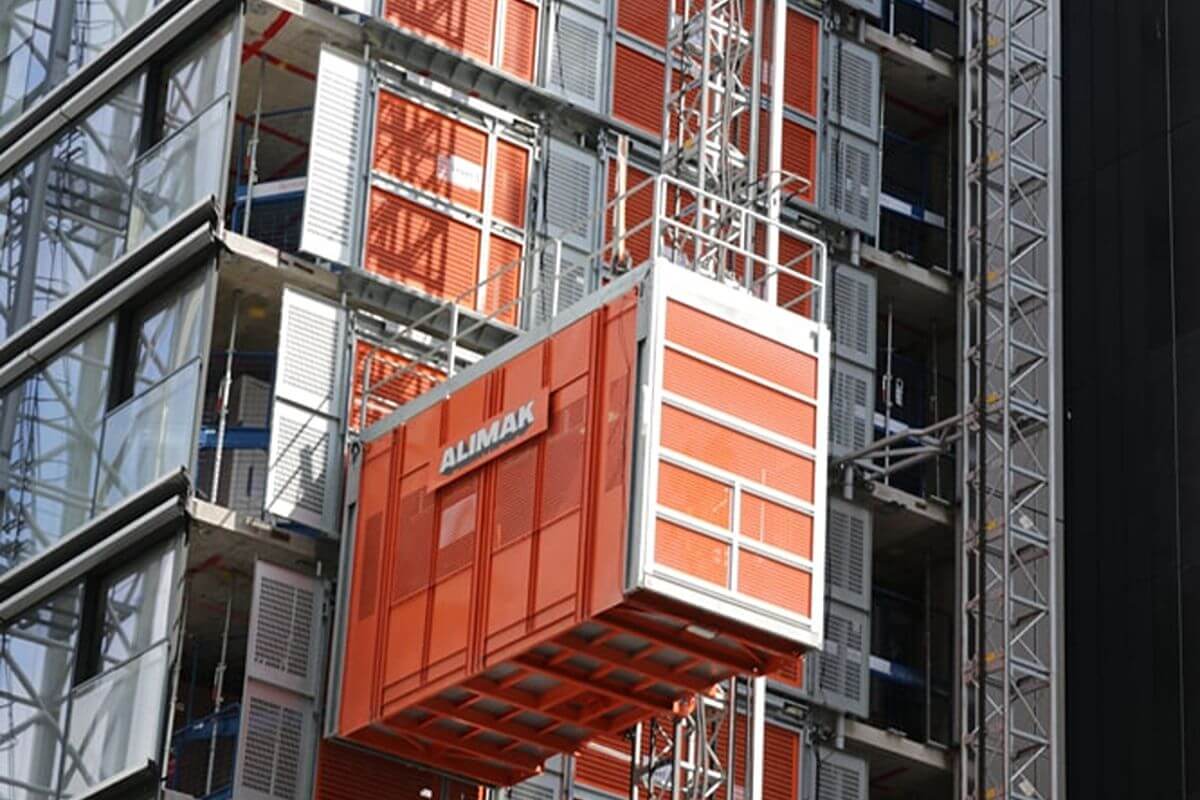
Inspect the hoist and its rigging components before use. Look for damage, wear, and other conditions that could affect safe operation. Proper equipment selection and inspection are essential parts of construction hoist safety.
Certifications and Labels
Check the equipment’s identification labels and rated capacity before operation. Review the required inspection or certification records as well. These details help confirm that the equipment is suitable for the intended application.
Hoists and Chains/Wire Ropes
Inspect chains and wire ropes for visible damage or excessive wear. Check for deformation and other defects that may affect their strength. Do not use lifting components when their condition could compromise the safety of the operation.
Hooks and Latches
Check hooks for cracks, deformation, excessive wear, and other visible damage. Confirm that safety latches or other securing mechanisms work properly before lifting.
Rigging Accessories
Inspect slings, shackles, lifting beams, and other accessories before use. Make sure each component is suitable for the load and in good condition. Replace any item that shows damage or excessive wear.
Mechanical & Control Testing
Test the hoist’s mechanical and control systems before operation. These checks can help you identify mechanical problems before they affect a lifting activity.
Brake Systems
Test the braking system before the hoist carries a load. Proper braking helps control movement and provides an important safety function during operation.
Operational Controls
Test the controls to confirm that the hoist responds correctly to movement and stopping commands. Operators should also understand how the controls work before they begin lifting activities.
Limit Switches
Check that limit switches and other travel controls operate as intended. These systems help regulate hoist movement and prevent travel beyond designated limits.
Air/Hydraulic Systems (if applicable)
If the equipment uses air or hydraulic systems, inspect the relevant components before operation. Look for leaks, damage, or other signs of malfunction. Follow the manufacturer’s inspection and operating requirements for the specific equipment.
Personnel & Site Control
Safe hoisting also depends on trained personnel and effective site control. Your team should establish clear communication before the lift and keep the surrounding area under control. These measures can help reduce risks from falling materials and unauthorized access.
Exclusion Zones
Establish an exclusion zone around areas where loads travel. Keep unauthorized personnel away from the lifting path and landing areas. The restricted area should also account for locations where falling objects could pose a hazard.
Operator Training & Communication
Only trained and authorized personnel should operate hoisting equipment. Clear communication between operators, signalers, and other workers helps coordinate lifting activities. Everyone involved should understand their responsibilities before the operation begins.
Immediate Removal Rule
Remove damaged or malfunctioning equipment from service. Do not continue using a hoist or lifting component when its condition could compromise safety. The equipment should undergo the required inspection, repair, or maintenance before it returns to service.
How Can Multico Support Safer Hoisting Equipment Operations?
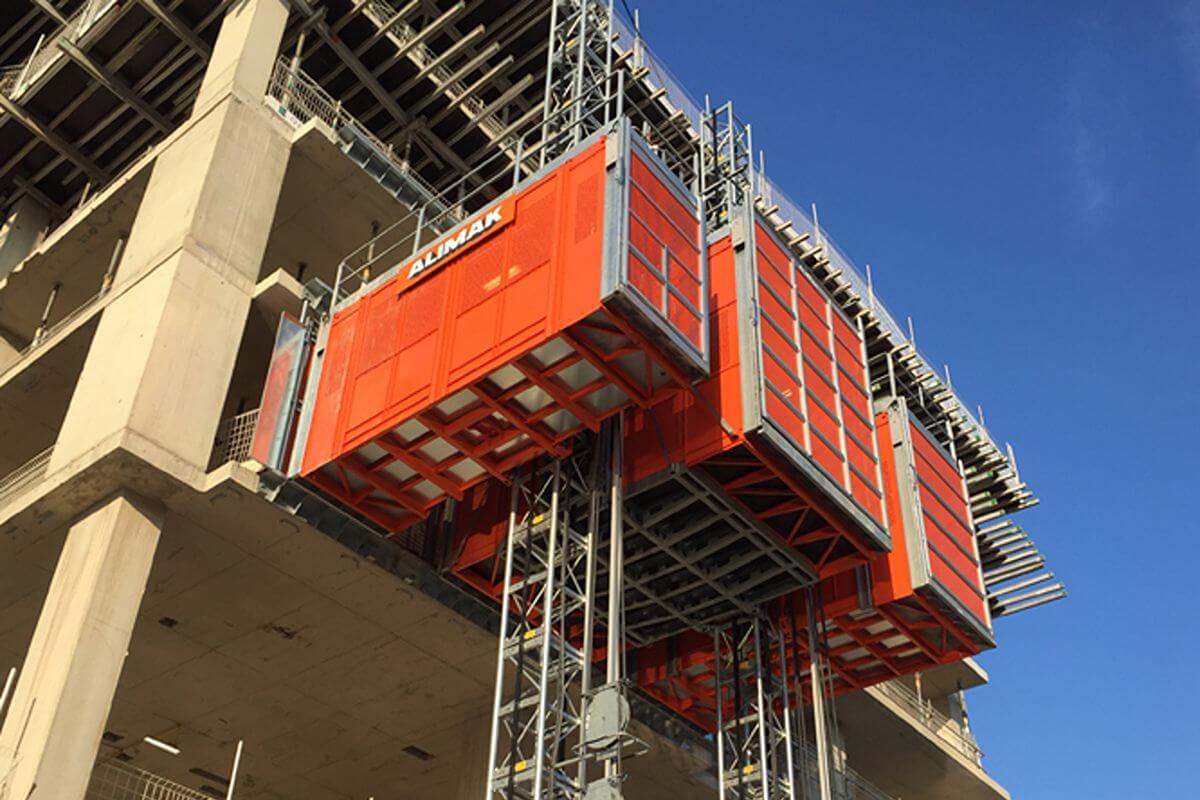
Selecting equipment that matches your project’s requirements can support safer and more efficient vertical transport. Multico supplies Alimak construction hoists in the Philippines for construction applications that require the vertical transportation of personnel and materials.
Our team can help you evaluate construction hoist equipment based on the application, required capacity, and site requirements. With our focus on engineering equipment and service excellence, we can support your team in selecting equipment that suits your lifting needs.
Key Takeaway
Knowing the safety factors to review before using hoisting equipment on site can help your team prevent accidents and maintain reliable lifting operations. Check the load before each lift and inspect the equipment carefully. Test the hoist’s mechanical systems and establish proper site controls before operation.
Selecting application-matched equipment ensures safe, efficient lifting operations. Contact our team today for technical guidance and reliable hoisting solutions tailored to your project requirements.


