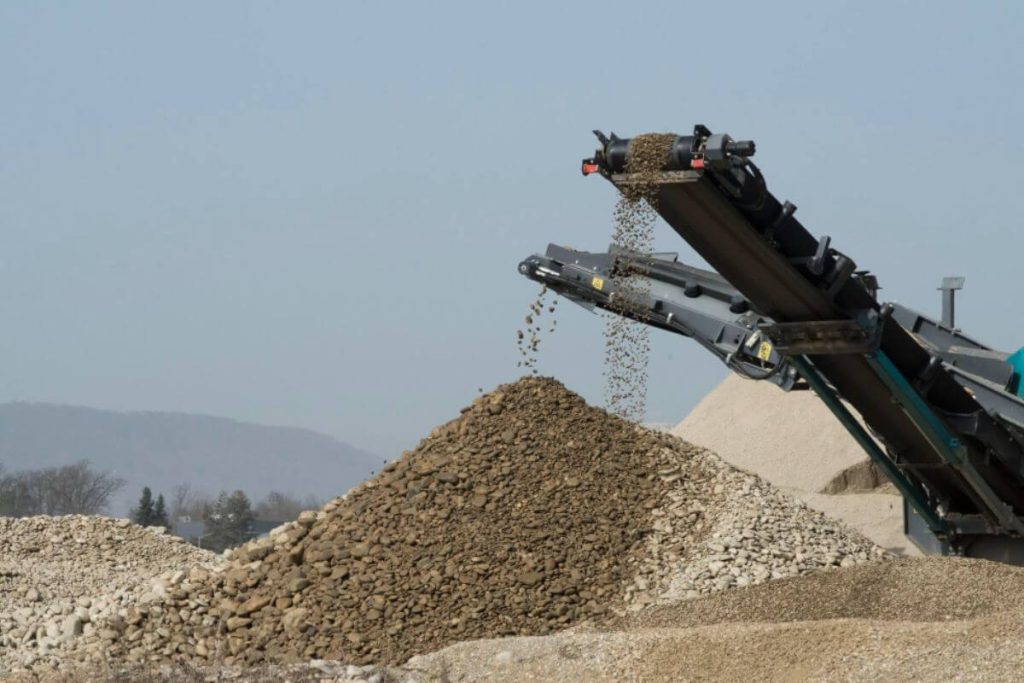
How to Choose the Right Crusher for Different Industries
Overview
- Choosing the right crusher requires evaluating material type, crushing stage, capacity, mobility, and cost. Industry-specific needs in mining, construction, recycling, and aggregates demand tailored equipment solutions.
- Proper crusher selection improves productivity, operational efficiency, safety, and long-term performance by aligning machinery capabilities with material and workflow requirements.
Selecting the appropriate crushing equipment plays a crucial role in ensuring efficiency, productivity, and cost-effectiveness across various operations. Different industries process materials with distinct characteristics, so a one-size-fits-all approach is rarely effective.
Understanding how to choose the right crusher for different industries helps align equipment capabilities with specific material requirements, production targets, and operational conditions. By considering factors such as capacity, material hardness, and intended output, operators can make more informed decisions that support consistent performance and long-term reliability.
Identify Material and Application
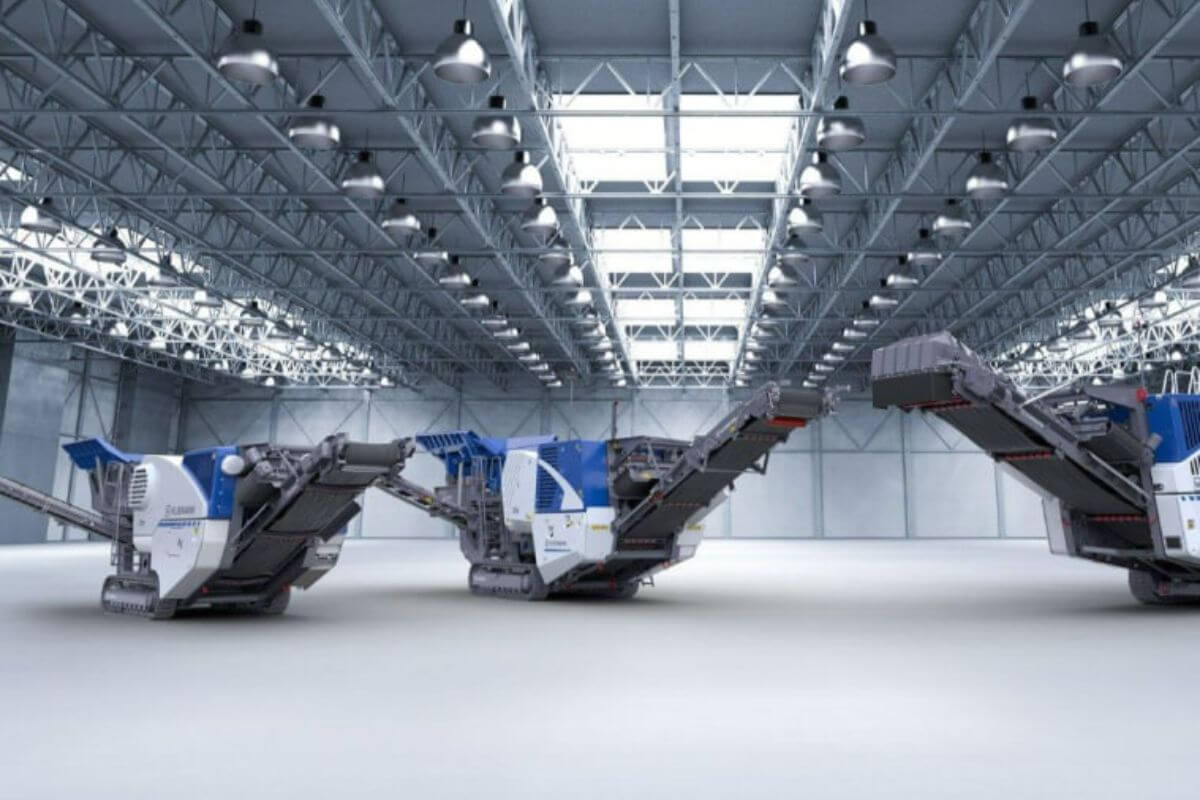
Selecting a crusher begins with understanding the material to be processed. Characteristics such as hardness, abrasiveness, moisture content, and particle size dictate the type of machine, wear parts required, and feeding mechanism.
Each sector has unique operational demands, and matching machine capabilities to workflow ensures that production targets are achieved efficiently and safely.
Hard and Abrasive Material
Crushers for hard rock like granite or ore must have robust, wear-resistant components to handle high compressive forces. Jaw and cone crushers are commonly used due to their durability and consistent performance under heavy loads.
These machines are engineered to ensure reliable operation in demanding mining and quarrying environments. They feature specialized liners and reinforced frames to deliver even under extreme conditions.
Soft to Medium-Hard Material
Softer stones like limestone or sandstone can be processed with impact or roll crushers, which offer higher output and lower energy consumption. while minimizing wear on critical components.
Impact crushers excel at producing uniform particle sizes and are well-suited for shaping applications, while roll crushers provide precise control over reduction ratios.
Wet or Sticky Material
Materials with high moisture content can clog conventional crushers. So, you need machines with self-cleaning mechanisms or vibrating feeders, such as some VSI and impact units.
These crushers have rotor configurations to improve throughput and an adjustable feeder to help maintain flow and prevent blockages.
Construction/Demolition Waste
Processing mixed demolition material requires crushers capable of handling heterogeneous loads.
Impact crushers are preferred for their flexibility and ability to produce uniform material for recycling or reuse. It is particularly effective at reducing reinforced concrete and mixed debris into consistent aggregate sizes.
Select Crushing Stage
In choosing the right crusher for different industries, the crushing stage determines which machine is suitable for a given role in the workflow. Primary crushers handle large raw feed, reducing it to manageable sizes, while secondary and tertiary crushers refine the material to meet specifications for construction, aggregates, or sand production.
Understanding stage requirements ensures machines are not over- or undersized for the intended application.
- Primary Crushing: The initial, heavy-duty stage where raw materials are broken down from large, run-of-mine sizes into a manageable intermediate size.
- Secondary Crushing: The intermediate stage that takes the output from the primary crusher and further reduces it to a smaller size,
- Tertiary/Fine Crushing: The fine crushing stage that takes the output from the secondary crusher and breaks it down into fine, marketable, or specific-sized particles
Consider Operational Factors
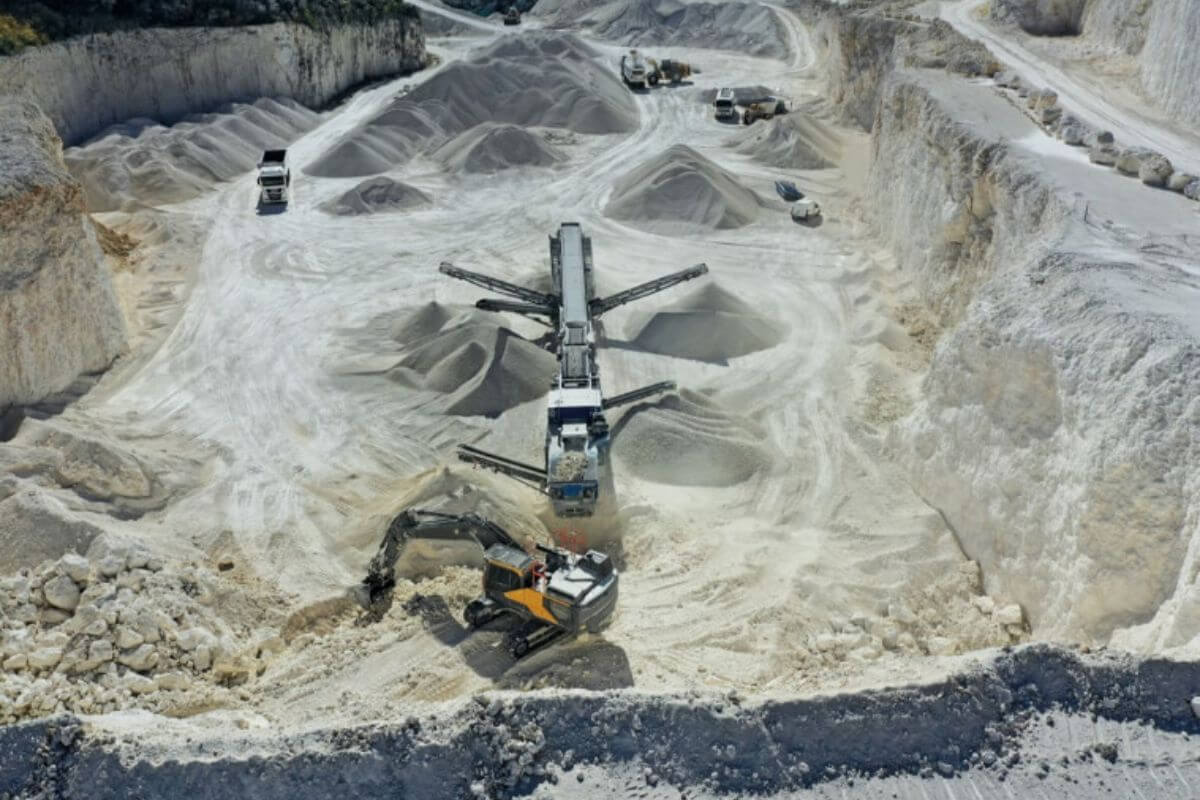
When selecting crushing equipment, it’s not enough to focus solely on material type or processing stage.
Here are several critical operational factors that directly influence machine choice and long-term efficiency:
- Capacity: The volume of material a crusher can process within a given time frame, typically measured in tons per hour (TPH). Higher capacity supports large-scale operations, while smaller units suit specialized or localized tasks.
- Mobility: Mobile crushers, mounted on tracks or wheels, are designed for easy relocation across sites. Their flexibility reduces transport costs and allows rapid deployment in projects with shifting work areas.
- Cost Analysis: Beyond the initial purchase price, the total cost of ownership includes operating expenses, maintenance, and long-term reliability. Evaluating these factors helps balance upfront investment with sustained performance and profitability.
Crusher Types for Different Industries
Different industries have specific material characteristics and workflow demands. Selecting the appropriate crusher ensures safe, efficient operations and consistent product quality.
Understanding the strengths of each crusher type allows operators to match equipment to material, application, and stage of processing.
| Crusher Type | Main Material | Main Use | Industry |
|---|---|---|---|
| Jaw | Hard, abrasive rock | Primary reduction | Mining, construction, quarrying |
| Cone | Medium to hard rock | Secondary / tertiary reduction | Mining, aggregates |
| Impact (HSI) | Soft to medium rock | Secondary crushing, recycling | Construction, demolition, recycling |
| VSI | Medium-hard to soft aggregates | Shaping, fine crushing | Sand production, aggregates |
| Hammer | Soft rock, demolition waste | Primary / secondary reduction | Construction, demolition, quarrying |
| Roll | Medium-hard materials | Controlled particle size crushing | Aggregate production, ore processing |
Key Takeaway
Choosing the right crusher for different industries is not simply about selecting a machine—it is about aligning material characteristics, crushing stages, and operational realities into one cohesive production strategy.
From handling hard, abrasive rock in mining environments to processing recycled construction debris, each application demands a crusher engineered for its specific workload, capacity, and performance expectations.
For industries seeking dependable crushing solutions backed by technical expertise and reliable after-sales support, Multico Prime Power Inc. delivers high-performance machines tailored to diverse industrial demands. Connect with us to equip your operations with crushing solutions built for strength, efficiency, and sustained productivity.


