The Real Cost of Equipment Downtime: Why a Rental Backup Plan Belongs in Every Project Timeline
Why does a rental backup plan belong in every project timeline to prevent the real cost of equipment downtime?
- Protects the critical path and prevents downtime
- Maps true lead times and logistics
- Provides realistic budgeting for surge capacity
- Coordinates interdependent tasks
Overview
- A rental backup plan helps construction, quarrying, and industrial teams prepare for equipment breakdowns, reduce downtime, and protect project schedules.
- By accounting for equipment delivery, site preparation, operator readiness, and rental costs, businesses can manage disruptions more effectively.
- Multico Prime Power, Inc. provides reliable engineering equipment and technical support to help businesses meet their operational needs.
Construction, quarrying, and industrial projects depend on heavy equipment to maintain productivity and meet deadlines. However, machinery breakdowns, scheduled maintenance, and sudden workload increases can halt aggregate production, delay construction activities, and leave workers and other equipment idle. These disruptions can increase project costs and push completion dates beyond their targets. For projects that rely on vibrating screens in the Philippines, an equipment contingency plan can help teams prepare for machinery shortages and reduce operational delays.
Understanding why a rental backup plan belongs in a project timeline helps fleet managers, procurement officers, and project engineers anticipate these risks. This article examines the main considerations for an effective plan, from equipment lead times to rental costs and supplier coordination.
Protects the Critical Path and Prevents Downtime
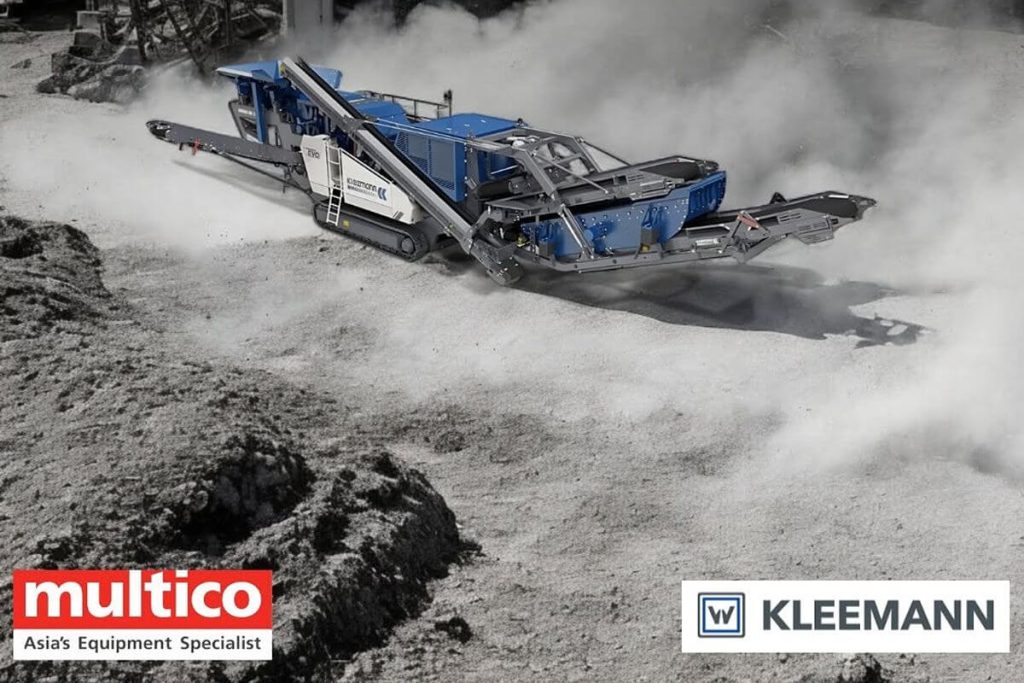
The critical path consists of activities that determine the minimum time required to complete a project. When essential equipment breaks down, dependent tasks may stop. For example, a KLEEMANN mobile crusher breakdown can interrupt aggregate production for residential developments, commercial buildings, and industrial facilities.
A rental backup plan gives project teams another option when primary machinery requires repairs or maintenance. Managers can identify potential replacement units before a disruption occurs. Our article on the benefits of renting a forklift explains how equipment rentals can address temporary shortages and support business operations.
Maps True Lead Times and Logistics
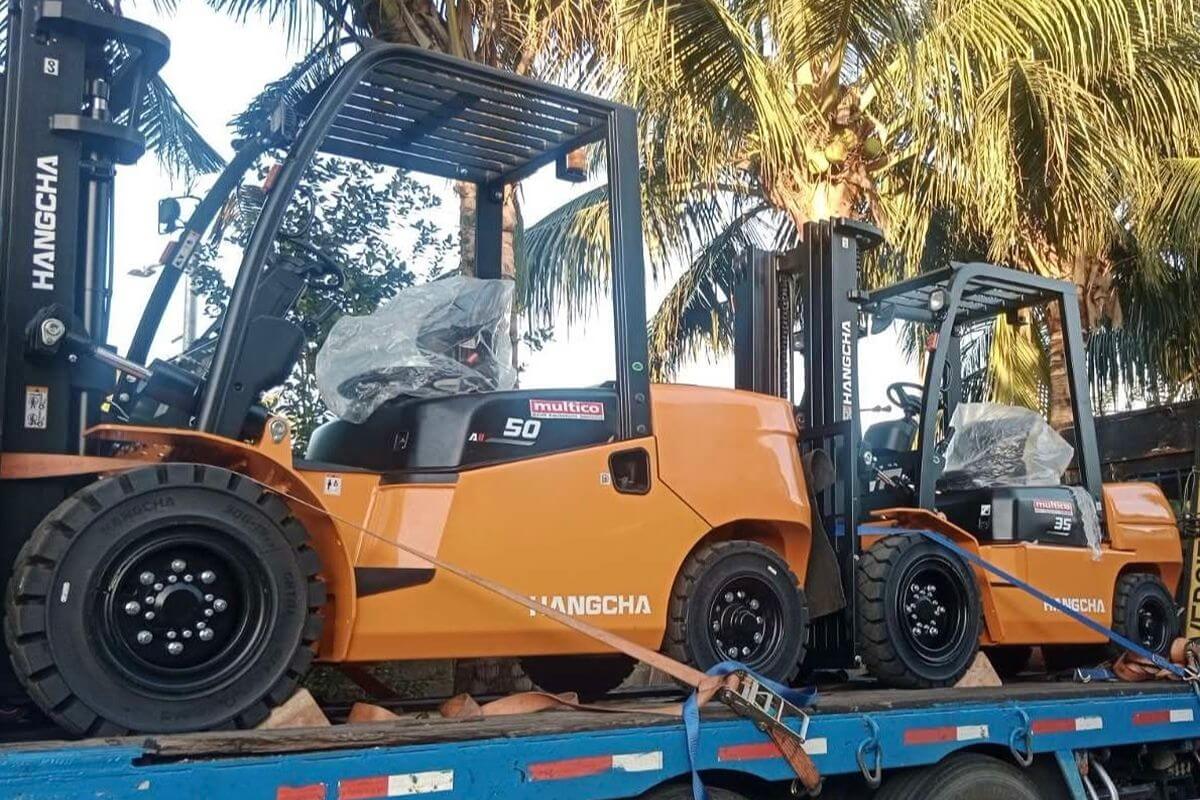
A backup plan must account for equipment delivery, site preparation, and operator readiness, as these requirements can vary across residential, commercial, and industrial construction sites. Project teams should factor in these differences when establishing equipment contingency schedules.
Logistical Windows
Equipment availability, transportation, and site accessibility can affect delivery schedules. Mobile crushers may require specialized transport, so project engineers should coordinate deliveries with suppliers. Our guide to mobile crusher rentals in the Philippines covers site access and preparation.
Setup and Integration
Replacement equipment must match the project’s operational requirements. Teams should verify its capacity, configuration, power needs, and compatibility with other machinery. For example, a facility may need a generator set that matches its electrical load, while a construction site may require a Clark or Hangcha forklift with sufficient lifting capacity.
Operator Familiarization
Operators must understand an unfamiliar machine’s controls and safety features before deployment. Managers should verify their qualifications and arrange orientation when necessary. This preparation helps prevent operational errors and delays.
Provides Realistic Budgeting for Surge Capacity
Unexpected equipment requirements can put pressure on an approved project budget. A breakdown may lead to additional rental expenses. Meanwhile, increased workloads at residential developments or commercial and industrial projects may require temporary machinery with greater capacity.
Procurement officers should account for rental fees and transportation expenses. They must also consider fuel and operator costs when they estimate the total expense. Our guide on considerations when renting heavy equipment explains why businesses should examine the full rental cost. Teams should also compare these expenses with the cost of purchasing machinery. Our guide to renting or buying heavy equipment offers further context for this decision.
Coordinates Interdependent Tasks
Equipment availability affects more than the activity that requires the machine. A delay can disrupt material deliveries and workforce schedules. It can also affect subsequent construction activities. For example, a Clark or Hangcha forklift shortage can slow material movement at a commercial site, while generator set downtime can interrupt industrial operations.
A rental contingency strategy helps fleet managers identify priority operations and coordinate replacement resources. Project engineers should maintain clear communication among procurement teams, suppliers, and site supervisors. Everyone should know when to activate the plan and who has the authority to approve a rental. This approach can help teams respond faster when equipment problems arise.
The Cost of a Missing Plan vs. Having an Integrated Plan
A rental backup strategy can affect how teams manage equipment disruptions and project expenses, as well as how quickly they can secure alternative machinery. The comparison below highlights the potential differences between projects with and without an established contingency plan.
| Dimension | Without an Integrated Rental Plan | With an Integrated Rental Plan |
|---|---|---|
| Schedule Impact | Breakdowns can delay dependent activities while teams search for replacements. | Pre-identified rental options can help reduce equipment-related delays. |
| Financial Cost | Emergency rentals and extended downtime can create unexpected expenses. | Planned rental budgets provide better cost visibility. |
| Resource Availability | Limited replacement options can leave workers and machinery idle. | Alternative equipment options can help maintain essential operations. |
Explore Equipment Solutions with Multico
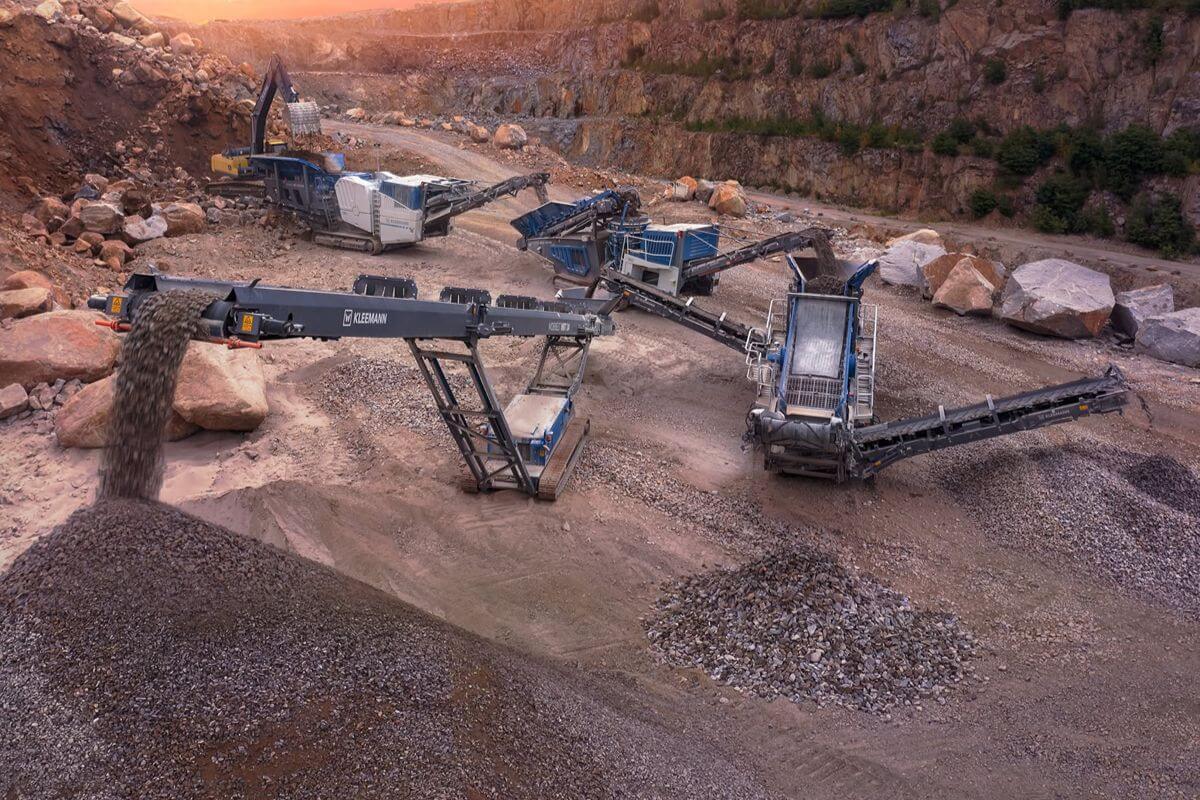
A reliable equipment strategy requires suitable machinery and dependable technical support. Businesses should assess their operational needs and choose suppliers with relevant product expertise.
At Multico Prime Power, Inc., we provide equipment solutions for construction, quarrying, logistics, and industrial operations. Our portfolio includes KLEEMANN mobile crushers and vibrating screens, Clark and Hangcha forklifts, generator sets, and tower lights. As Asia’s Equipment Specialist, we aim to build long-term partnerships through reliable engineering equipment and service excellence.
Key Takeaway
Understanding why a rental backup plan belongs in a project timeline helps businesses prepare for equipment breakdowns and manage unexpected expenses. A clear contingency strategy can also protect critical project activities. When teams plan for replacement equipment and account for delivery schedules, they can reduce downtime across residential, commercial, and industrial construction projects.
At Multico, we help businesses explore equipment solutions that support their operational needs. Contact us today to discuss your equipment requirements and find suitable solutions for your next project.


