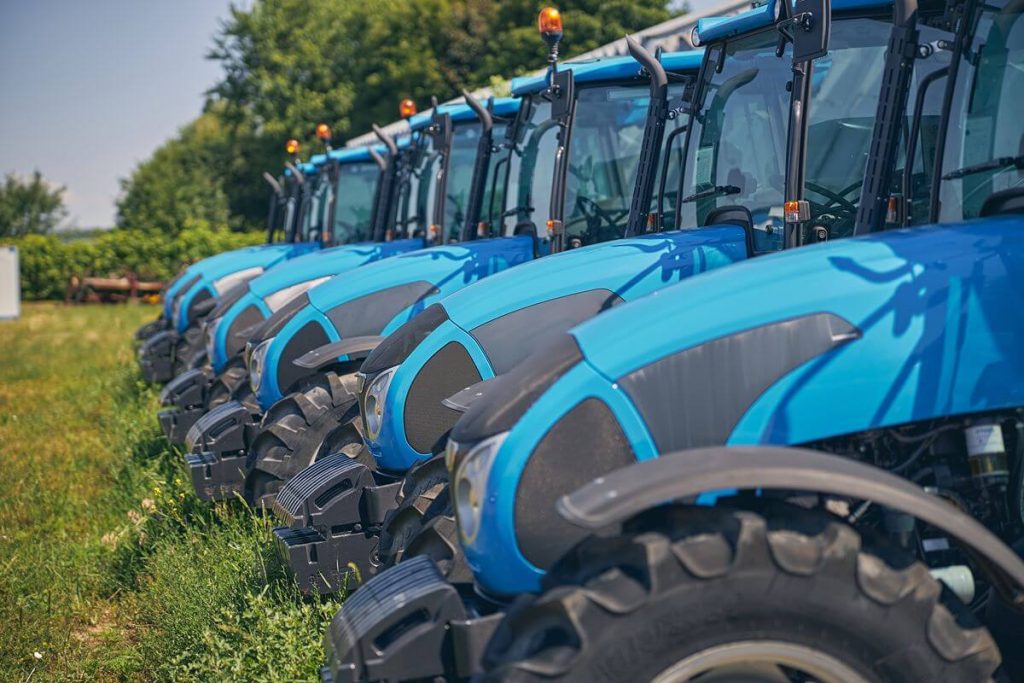
Telehandlers Explained: Uses, Attachments, and Benefits on the Job Site
Overview
- Choosing the right telehandler requires more than evaluating lifting capacity, as teams must also consider boom reach, terrain, and attachment compatibility.
- Procurement officers and project engineers should assess rated capacity, load charts, and safety requirements to support reliable performance across construction, infrastructure, warehousing, and logistics operations.
- Multico helps businesses explore heavy equipment solutions that support efficient material handling and changing job site demands across the Philippines.
Construction projects often require equipment that can move heavy materials and reach areas beyond the limits of conventional machinery. The right equipment can help your team work efficiently and adapt to changing site conditions. For businesses that handle palletized goods, forklift solutions in the Philippines offer another material-handling option.
A telehandler, also known as a telescopic handler, is a heavy-duty machine with a boom that extends upward and forward to lift and position loads. Its capabilities depend on the model and compatible attachments, so it can serve different needs across construction sites, infrastructure projects, warehouses, and outdoor yards. Understanding telehandler uses, common attachments, and key job-site benefits can help you assess whether this equipment fits your operations. This guide covers its main applications and attachment options, along with the practical advantages it can offer your team.
Core Uses on the Job Site
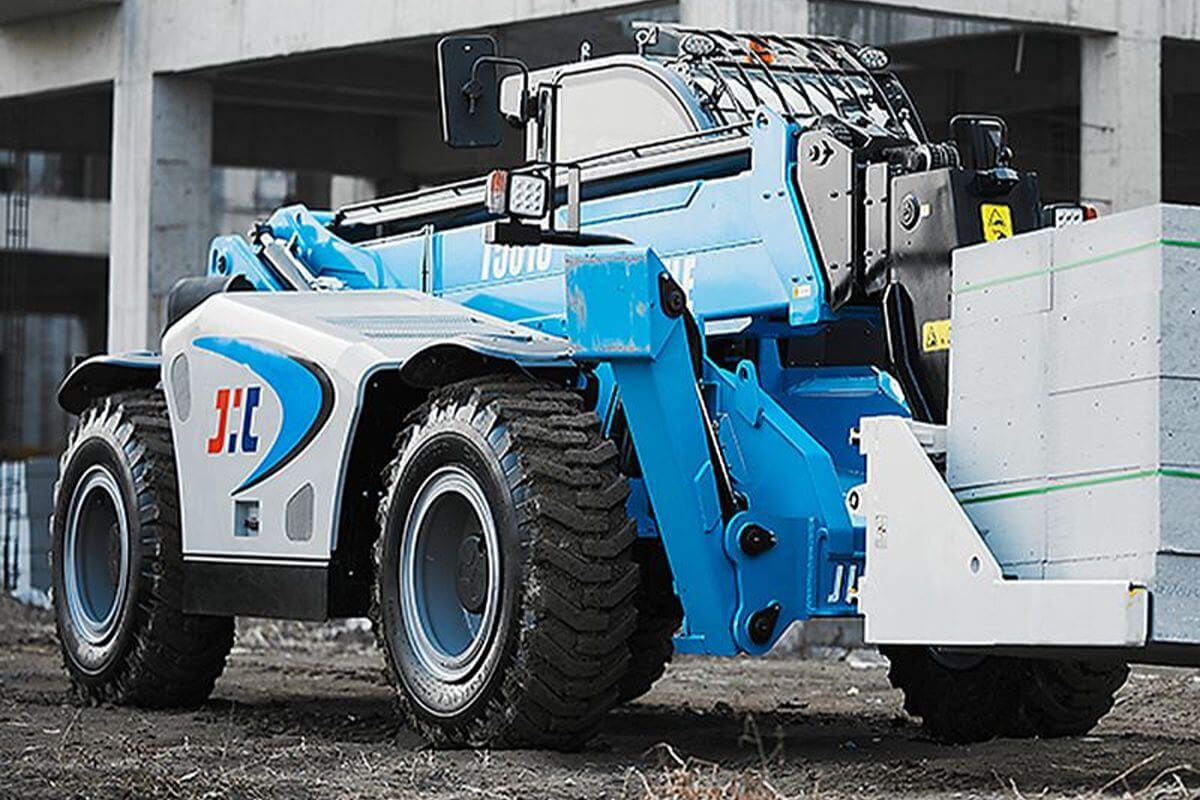
Telehandlers help crews move materials and complete lifting tasks through a telescopic boom that extends upward and forward. For contractors and project engineers, this flexibility can support different phases of a construction project.
Vertical and Horizontal Material Handling
Telehandlers move construction materials to different heights and distances. Crews can use them to transport lumber and steel components across job sites or deliver palletized supplies to designated work areas.
Loading and Unloading
Telehandlers help operators transfer goods between delivery vehicles and storage areas. Their extended reach can make it easier to place materials at elevated locations that conventional forklifts may struggle to reach.
Structural Framing and Erection
Construction crews can use telehandlers to position roof trusses and other structural components at elevated work areas. The machine’s lifting capacity and boom reach help workers place materials where the next phase of construction requires them.
Personnel Elevation
Certain telehandlers can support personnel tasks with a compatible, manufacturer-approved work platform. This setup may help with inspections or installation work, provided operators follow the manufacturer’s instructions and applicable safety requirements.
Site Cleanup and Grading
With suitable attachments, telehandlers can move loose debris and transfer bulk materials around a work area. These tasks help construction teams keep the site organized and prepare areas for upcoming work.
Common Telehandler Attachments
The right attachment can expand a telehandler’s capabilities beyond standard material handling. Before choosing one, check compatibility with the machine and review its rated capacity and load chart for the intended configuration.
Pallet Forks
Pallet forks help operators lift and transport packaged goods such as bagged cement and bricks. They are also useful in warehouses and outdoor yards where teams regularly move palletized supplies.
Buckets
Buckets allow operators to scoop and carry loose materials such as sand or gravel. They support material transfer and select site-preparation tasks on construction projects.
Lifting Jibs / Crane Hooks
Lifting jibs and compatible crane hooks help operators position suspended loads at specific heights or distances. Project engineers must verify the machine’s rated capacity and follow approved lifting procedures before each operation.
Work Platforms / Safety Cages
Compatible work platforms provide an elevated work area for approved personnel tasks. They may support installation or maintenance work, but teams must use platforms designed for the specific machine and follow applicable safety requirements.
Grapples and Brooms
Grapples help operators handle bulky materials such as branches and scrap. Broom attachments clear loose debris from construction sites and access routes.
Key Job Site Benefits
Telehandlers combine lifting capability with forward reach and attachment flexibility. These features can benefit construction and infrastructure projects, where crews handle varied materials, as well as warehousing, logistics, and outdoor yard operations that require efficient loading, unloading, and material movement.
All-in-One Versatility
A telehandler can handle different tasks with compatible attachments, from moving palletized goods to transferring loose materials. This versatility benefits construction and infrastructure teams managing changing site demands, as well as warehouses and logistics operations handling different types of loads. It may also reduce the need for separate machines for certain tasks.
Rough-Terrain Mobility
Many telehandlers have four-wheel drive and tires designed for demanding site conditions. These features can help crews move materials across uneven construction grounds or unpaved outdoor yards, as long as the terrain stays within the machine’s operating limits.
Extended Reach
The telescopic boom lets operators position loads above ground level or farther from the machine. This capability helps project engineers plan material placement in areas that standard forklifts may not reach, subject to the machine’s rated capacity and safe operating limits.
Cost Efficiency
A versatile machine may reduce the need to purchase or rent separate equipment for every task. For procurement officers and business owners, this can support better equipment planning, although actual savings depend on utilization, maintenance, and project requirements.
Improved Safety
Telehandlers can reduce the need for some manual material handling tasks when teams use the right equipment for the job. Proper operator training and compatible attachments also support safer work practices, alongside compliance with load limits and manufacturer instructions.
Discover Heavy Equipment Solutions From Multico
Choosing a suitable telehandler starts with understanding your project’s demands. Our team at Multico can help you explore equipment options based on the loads you handle and the reach your operations require. Visit our telehandler product page to learn more about available solutions for construction and material handling applications.
Key Takeaway
Understanding telehandler uses, common attachments, and key benefits on the job site can help you determine whether this equipment suits your project. Consider your site’s terrain and lifting needs before choosing a model, so your team can work efficiently and use resources better.
At Multico Prime Power, Inc., we help businesses find reliable heavy equipment solutions for their operational needs. For expert guidance on choosing equipment for your project, contact us today.


