Smart Equipment: How Technology Is Transforming Construction in the Philippines
Overview
- From Building Information Modeling (BIM) and AI to drones, IoT, AR/VR, and sustainable machinery, these technologies are reshaping how projects are planned, executed, and managed.
- Multico supports this evolution by providing high-quality construction equipment equipped with smart technology, helping contractors deliver better, faster, and more resilient infrastructure.
The construction industry in the Philippines is undergoing rapid transformation, fueled by global investments that reached $2.1 billion in 2021. This influx of funding is driving innovation and the adoption of new technologies that are reshaping how projects are designed, built, and managed.
In this article, we explore how technology transforms Philippine construction, highlighting the key tools and innovations shaping the industry’s future.
If you’re looking for high-quality construction equipment, Multico provides smart technology solutions designed to help you work more efficiently, safely, and sustainably.
Key Technological Transformations
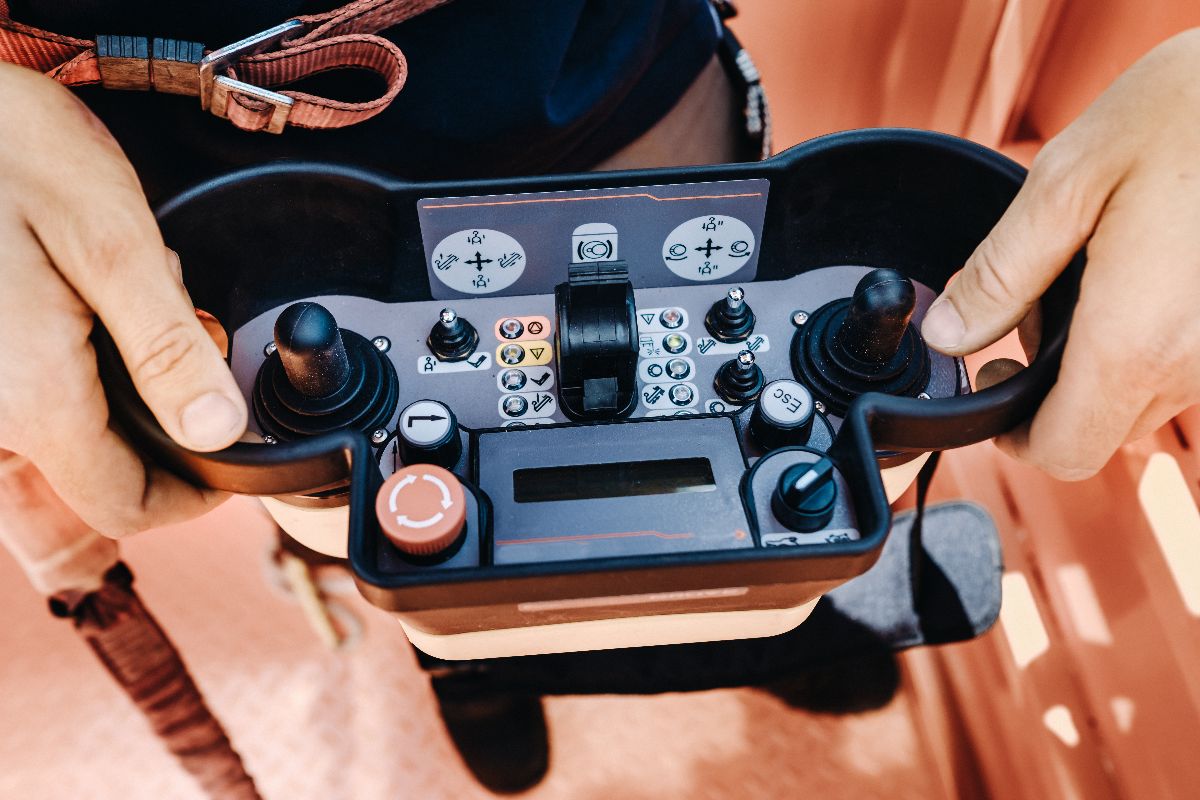
These innovations help you work more efficiently, reduce risks, lower costs, and deliver infrastructure that meets global standards for quality and sustainability.
Building Information Modeling (BIM)
Building Information Modeling (BIM) is a digital process that allows you to create and manage detailed 3D models of buildings and infrastructure projects. In construction, you use BIM to visualize structural elements, detect clashes, and simulate project timelines long before physical work begins.
This level of coordination reduces design errors, prevents costly rework, and improves collaboration between architects, engineers, and contractors. It transforms how large-scale projects, such as railways, airports, and high-rise developments, are planned and executed, helping you deliver more accurate estimates, smoother workflows, and stronger quality control.
Drones and Robotics
You can use drones for aerial surveys, site inspections, progress monitoring, and mapping, giving you real-time visuals of large or hard-to-reach areas without placing workers at risk. Robotics, such as automated bricklayers, rebar-tying robots, or robotic total stations, help increase accuracy and reduce manual labor fatigue.
These technologies transform construction by speeding up data collection, improving the accuracy of measurements, and enhancing safety on fast-paced job sites. As more infrastructure projects expand into remote, congested, or hazardous areas, drones and robotics allow you to maintain productivity and oversight with greater precision and less risk.
Artificial Intelligence (AI)
Using AI tools, you can forecast project delays, analyze risks, automate scheduling, and detect safety hazards through data gathered from sensors, cameras, or project management platforms. For example, AI-powered systems can analyze rebar spacing on high-rise foundations or detect cracks in bridges through image recognition, tasks that previously required manual inspections.
In complex projects such as expressways, railway systems, and industrial plants, AI helps you predict material shortages, optimize equipment deployment, and reduce human error. This transformation enhances your ability to deliver projects on time, within budget, and at a higher level of quality.
Prefabrication and Modular Construction
These methods are increasingly used in the Philippines for hotels, worker dormitories, classrooms, and residential developments because they reduce construction time and minimize on-site waste. By producing modules in controlled factory conditions, you ensure better quality control, fewer weather-related delays, and lower labor requirements.
This transformation helps you build more quickly in densely populated or disaster-prone areas, where traditional construction can be slow and disruptive. As urbanization accelerates, modular construction gives you a practical solution to address housing demands and build essential facilities more efficiently.
Augmented and Virtual Reality (AR/VR)
A recent paper published in the American Society of Civil Engineering’s (ASCE) journal on Computing in Civil Engineering demonstrates that using VR in design reviews can help reduce the cost of rework, requests for information (RFIs), and change orders associated with operability issues. The paper compared design coordination methods on a $600M project, finding that 93% of the operability issues found in VR were not detected by traditional methods.
AR overlays digital information onto the real world, allowing you to inspect structural elements, verify measurements, and guide workers during installations. These technologies transform construction by improving communication with clients, reducing misunderstandings, and enhancing training for workers, especially in complex mechanical or electrical installations.
Internet of Things (IoT)
With IoT sensors, you can measure temperature, humidity, equipment performance, material usage, and worker movement in real time. This level of data-driven insight improves your ability to predict equipment failures, manage energy consumption, and maintain site safety.
IoT transforms Philippine construction by enabling smarter project oversight, reducing downtime, and enhancing coordination in fast-moving projects like highways, bridges, and commercial developments. As innovation grows, IoT makes it easier for you to build safer, more efficient, and more transparent construction operations.
Sustainable Technologies
These include low-emission construction equipment, energy-efficient machinery, solar-powered tower lights, water recycling systems, and equipment designed to minimize dust or noise pollution. By integrating these solutions, you support cleaner construction practices and align your projects with global sustainability standards.
In the Philippines, sustainable technologies are crucial as the country faces climate-related risks and rising urbanization pressures. These innovations help you build greener infrastructure, reduce operational costs, and contribute to climate-resilient developments such as eco-friendly buildings, green roads, and renewable energy facilities.
Impact on the Construction Industry

Here are the impacts of technological advancements in the construction industry, creating safer, faster, and more cost-effective processes that support long-term national development.
- Increased efficiency – Technology streamlines workflows and speeds up project completion by automating tasks and improving coordination.
- Enhanced safety – Advanced tools and monitoring systems help you reduce on-site risks and prevent accidents.
- Cost reduction – Digital solutions and smarter equipment lower operational expenses by minimizing errors, waste, and downtime.
- Economic growth – Faster, more reliable construction contributes to national development by enabling more infrastructure projects and attracting investments.
- Skill development – New technologies encourage workers to learn advanced skills, strengthening the industry’s talent pool and future capabilities.
Key Takeaway
How technology transforms construction in the Philippines is reshaping the industry into a smarter, safer, and more efficient sector. With tools like BIM, AI, IoT, drones, and sustainable equipment, you can deliver projects faster, reduce risks, and overcome challenges, driving the country toward a more resilient and future-ready construction landscape.
If you’re ready to elevate your projects through advanced technology, Multico is here to support you with high-quality construction equipment built with smart, modern capabilities. Contact us now and bring your construction operations to the next level of efficiency and performance.


