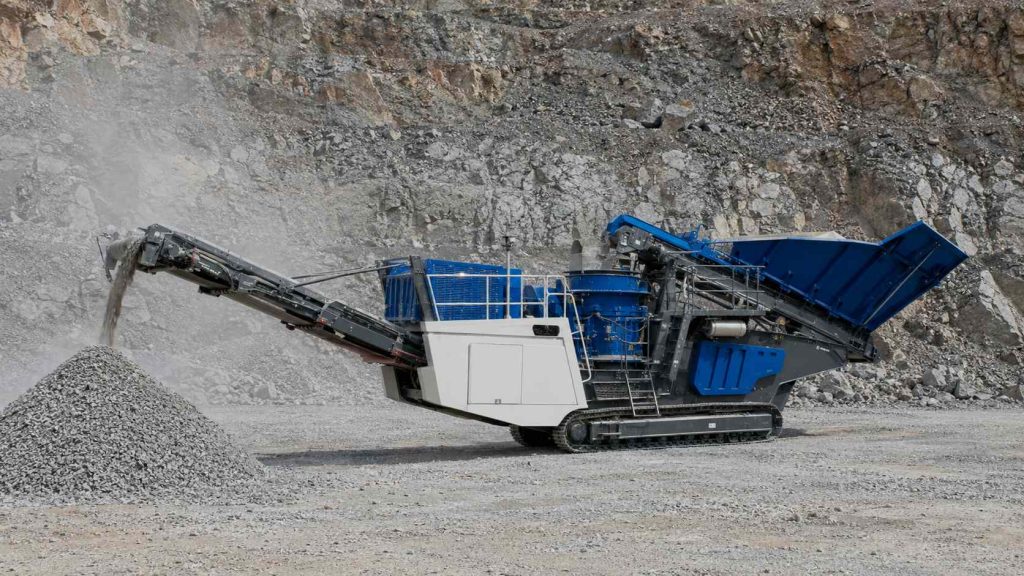
What are the Key Factors When Comparing Cone Crusher Systems
What are the key factors when comparing cone crusher systems?
- Material characteristics
- Performance requirements
- System type and design
- Operating costs and maintenance
- Compatibility and infrastructure
Overview
- When comparing cone crusher systems, businesses should evaluate material characteristics, performance requirements, system design, operating costs, maintenance needs, and infrastructure compatibility.
- These factors influence productivity, efficiency, and long-term value. Selecting a system aligned with site conditions helps maximize output, reduce downtime, and support sustainable operational performance.
No two operations are identical; each has unique material-handling demands, production targets, and spatial constraints. A cone crusher system that excels in one environment may be inefficient in another.
To ensure long-term operational success, procurement officers must evaluate key factors when comparing cone crusher systems, prioritizing equipment that aligns with specific worksite realities rather than relying solely on baseline specifications.
Material Characteristics
An informed procurement strategy begins with a technical assessment of the feed material. The hardness, abrasiveness, and composition of the feed directly dictate the system’s performance, the frequency of wear part replacement, and the fluidity of the crushing chamber.
To ensure the equipment matches the application, you can evaluate the following:
- Hardness and Abrasiveness: High-density materials such as granite and basalt require high crushing force and heavy-duty, wear-resistant components.
- Medium-Hard Applications: Materials that are softer or less abrasive require a calibrated approach.
- Moisture and Clay Content: Sticky or high-moisture feed is a leading cause of chamber clogging and restricted material flow.
By defining these properties early, you can match the crusher to actual site conditions and avoid unnecessary wear.
Performance Requirements
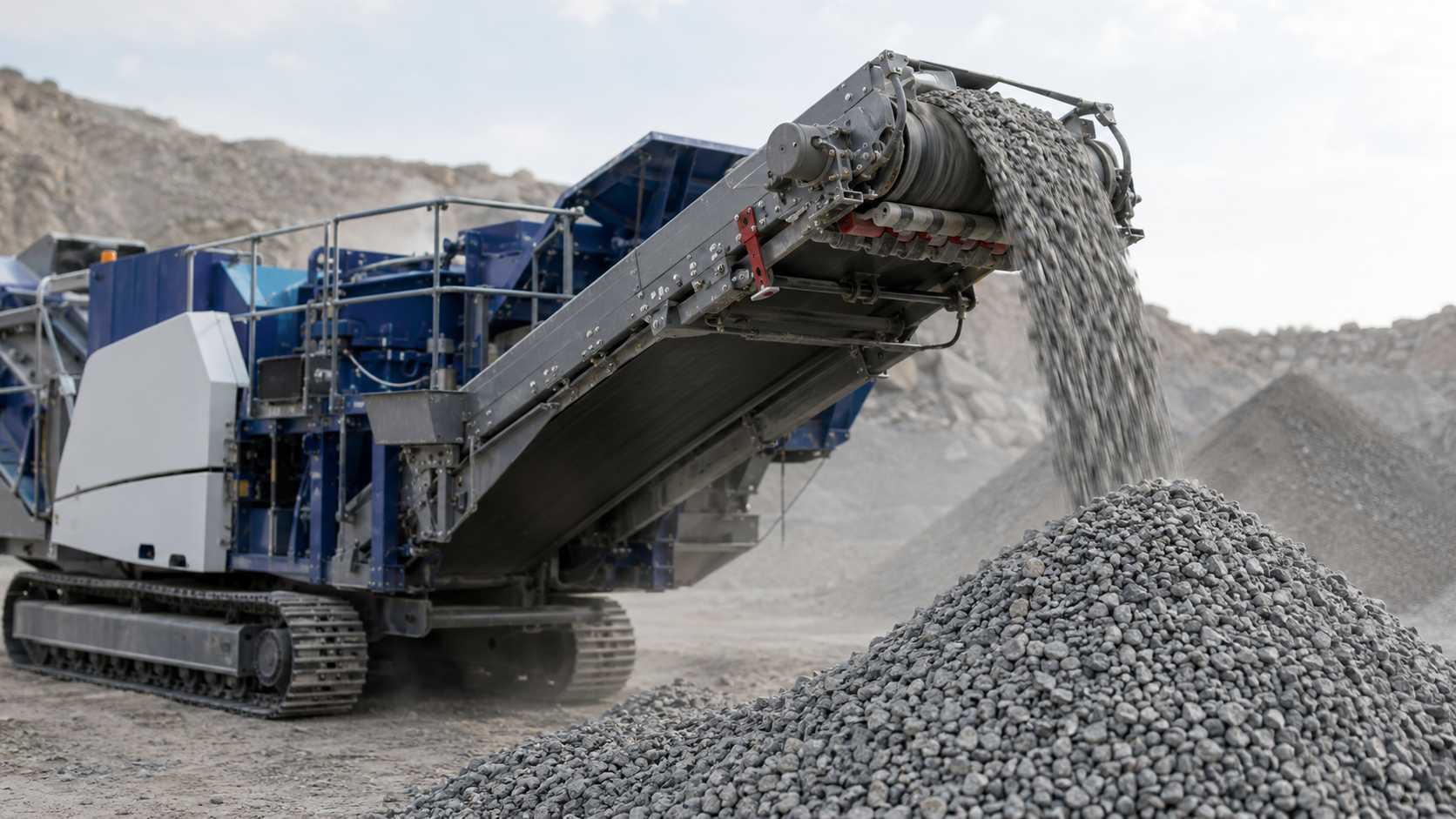
Capacity is the primary benchmark for evaluating the viability of a cone crusher system. The selected equipment must consistently achieve the required tons per hour (TPH) while maintaining the target output size and final gradation.
To ensure the system aligns with your production goals, you can evaluate the following performance variables:
- Closed Side Setting (CSS) Calibration: Selecting a crusher with a versatile, easily adjustable CSS ensures the system can adapt to changing project requirements.
- Feed Size Management: The crusher’s intake and chamber must be sized to accommodate the largest expected feed without “bridging” or causing overload.
Balancing these performance metrics lets you secure a cone crusher that maximizes output while minimizing the energy and maintenance costs.
System Type and Design
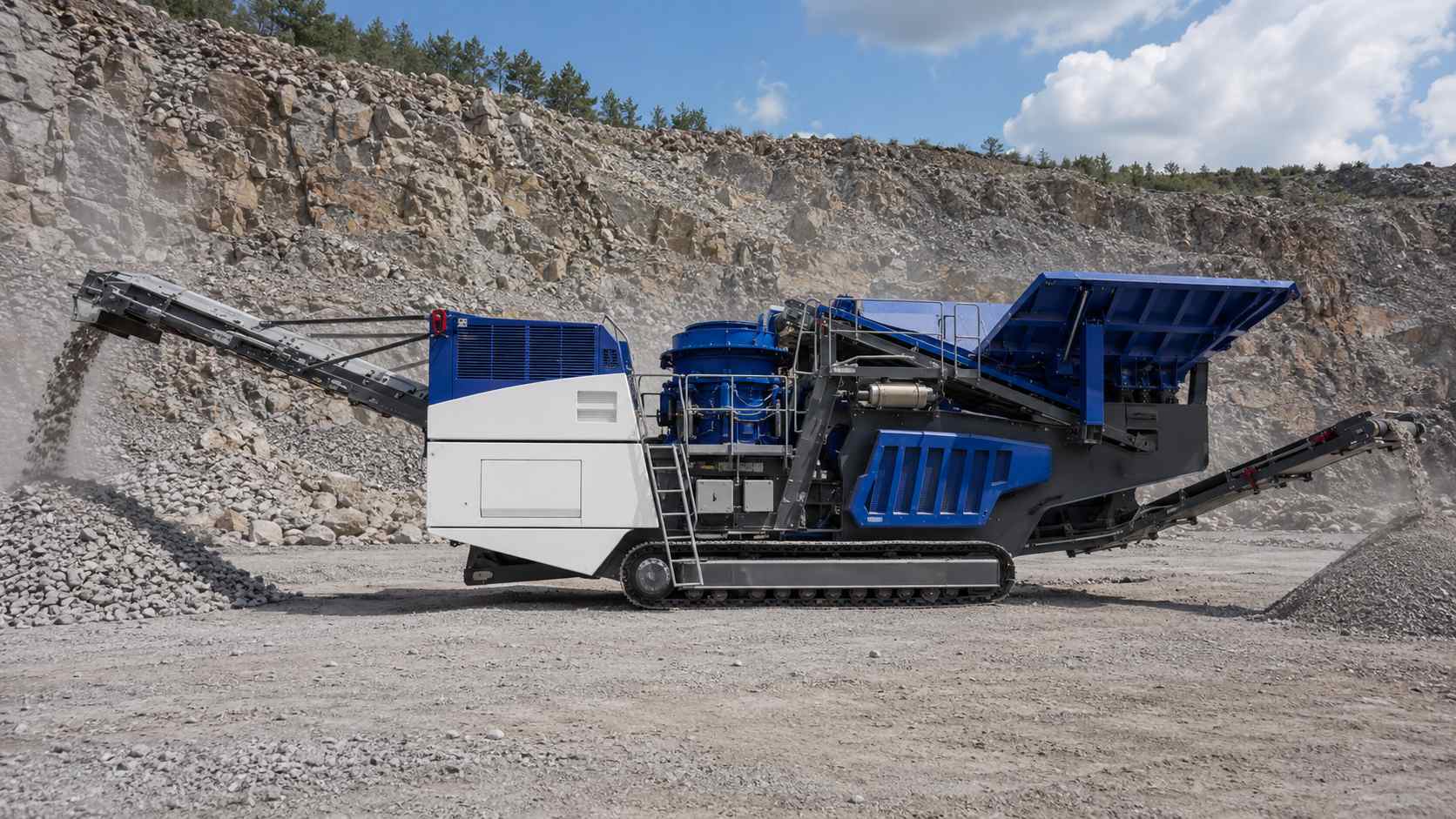
A cone crusher system must be more than a standalone unit; it must integrate seamlessly with the operation’s workflow, spatial constraints, and existing material handling infrastructure. The choice between fixed and mobile configurations is a strategic decision dictated by site layout, production targets, and relocation frequency.
To ensure seamless integration, you can evaluate the following design elements:
- Mobility and Site Agility: Assess whether the operation requires a permanent, stationary setup or a mobile solution that adapts to evolving worksite footprints.
- Operational Integration: Evaluate chamber design, access points, and automation features.
For operations requiring high-performance flexibility, Multico Prime Power offers advanced mobile cone crusher systems to accommodate shifting site requirements while delivering high processing output.
Operating Costs and Maintenance
A cone crusher system is a strategic investment whose true value is realized long after the initial purchase.
To safeguard the operation’s bottom line, you can look beyond the sticker price and rigorously evaluate the following:
- Optimizing Wear-Part Life: High-grade and long-lasting wear parts reduce replacement frequency and lower annual spare-part expenditures.
- Long-Term Value and Serviceability: Faster maintenance cycles and localized technical expertise translate directly into improved ROI and lower operational risks.
At Multico Prime Power, we empower businesses with deep equipment expertise, immediate availability of spare parts, and comprehensive after-sales service. With us, you can invest with confidence.
Compatibility and Infrastructure
In a high-output environment, a cone crusher system must not be evaluated in isolation. A truly compatible system ensures a steady material intake and synchronized discharge, preventing disruptions throughout the broader operation.
To ensure a seamless production cycle, you can verify the unit’s integration with the existing site infrastructure.
- Optimized Feed Alignment: Proper alignment with upstream equipment ensures the chamber remains optimally loaded, maximizing throughput, promoting more even liner wear, and preventing costly structural overloads.
- Upstream Synchronization: It is critical that the feeding equipment is calibrated to supply the cone crusher at a precise pace and size.
- Downstream Integration: A well-integrated system maintains the rhythm of the entire plant, ensuring that the cone crusher operates as a high-performing link in the production chain.
With this, you can avoid the hidden costs of operational friction and ensure that your new equipment elevates the performance of your entire material-handling setup.
Key Takeaway
Understanding the key factors when comparing cone crusher systems helps ensure you select equipment that aligns with your operational requirements and performance goals. Multico Prime Power supports your investment with reliable mobile cone crusher solutions, expert guidance, spare parts availability, and dependable after-sales service.
Get in touch with us to explore the right cone crusher system for your operation.


