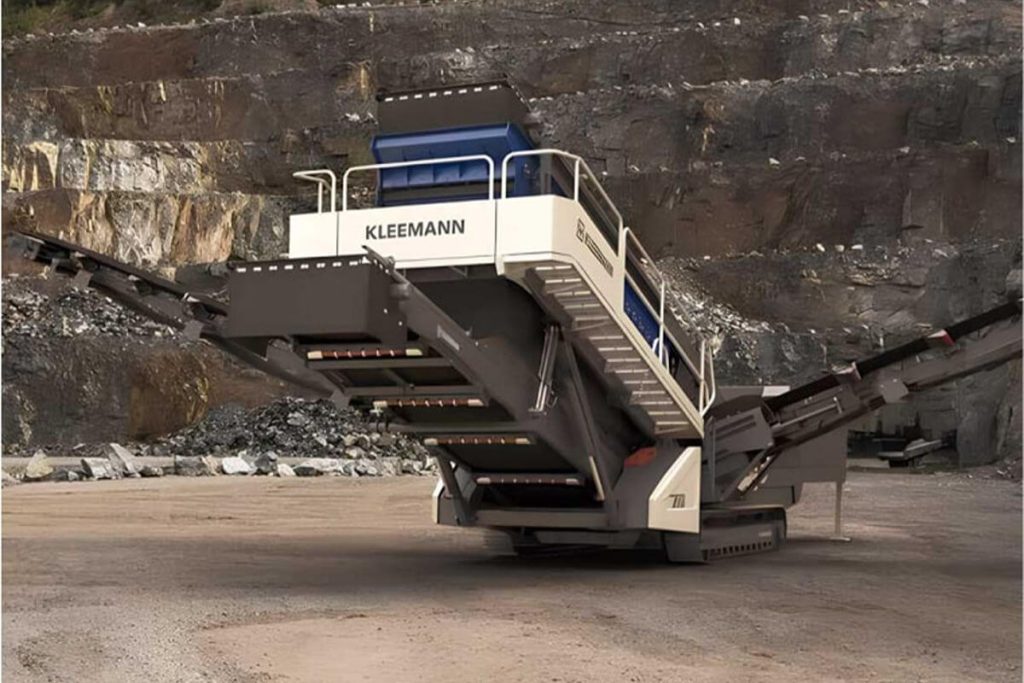
How Vibratory Screens Improve Material Sorting on Quarry Sites
Overview
- Vibratory screens use mechanical motion to separate crushed materials by particle size and produce aggregates for specific construction applications.
- Processes such as stratification, multi-deck sizing, and scalping classify materials, remove debris, and separate oversized rocks. These processes improve material flow and aggregate quality.
- These machines improve product purity, increase throughput, reduce recirculating loads, and support efficient quarry operations. The right setup helps operators meet production targets and manage equipment demands across quarry applications.
Quarries must properly sort raw rock, sand, and gravel to meet strict size and quality specifications for concrete, road building, and infrastructure applications. Effective screening eliminates oversized rocks and unwanted debris, ensuring product consistency while protecting downstream processing equipment from excessive strain.
This makes vibrating screens essential to efficient quarry material processing. Understanding how vibratory screens improve material sorting on quarry sites helps operators improve aggregate quality and maintain steady production. In this article, we explain how these machines classify materials and discuss their operational benefits. We also explore how the right screening equipment can help your quarry run more efficiently.
How They Work
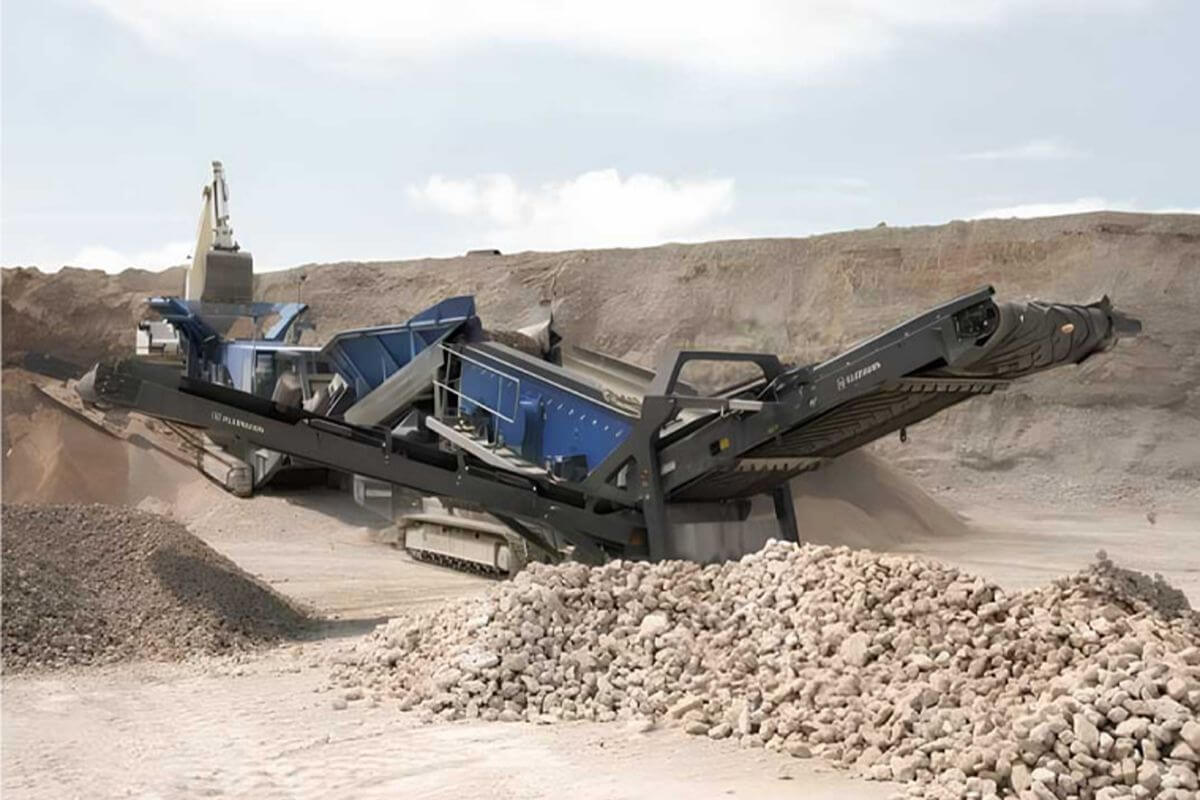
Vibratory screens use controlled mechanical motion to separate crushed materials according to particle size. The vibration moves materials across the screen surface, while the openings allow particles of specific sizes to pass through. Learn more about how vibrating screen machines work.
Stratification
Vibration moves smaller particles through gaps between larger rocks until they reach the screen surface. Fine aggregates then pass through the mesh while larger pieces remain on top for further separation or discharge.
Multi-Deck Sizing
Multi-deck screens use several screening surfaces with different opening sizes to classify materials into multiple grades in one operation. For example, a triple-deck screen can separate crushed rock into several size categories. This allows quarry operators to produce aggregates for different construction applications.
Pre-Screening and Scalping
Scalping screens remove oversized rocks and unwanted debris before materials enter the crushing stage. This reduces unnecessary crusher loads and helps protect downstream equipment from excessive wear. Learn more about the differences between classifying and scalping screens.
Key Benefits in Quarries
Vibratory screens help quarry operators maintain consistent aggregate quality and improve material processing efficiency. These machines also support better resource recovery and help operations meet production demands.
Higher Product Purity and Value
Accurate screening separates fine particles from oversized rocks and unwanted debris. This helps quarry operators produce consistent aggregate grades that meet the size requirements of applications such as concrete production and road building. Project Engineers can use these specifications to check whether the processed materials meet their project requirements.
Increased Throughput
Vibratory screens process large volumes of crushed materials through continuous separation across their screen surfaces. Multi-deck configurations also allow operators to produce several aggregate grades in one cycle. Fleet Managers can assess screening capacity and equipment utilization to determine whether their current setup can meet production targets.
Reduced Recirculating Loads
Effective screening prevents materials that already meet the required size from returning to the crusher for unnecessary processing. This reduces recirculating loads and limits equipment strain, which can help lower energy consumption and operating costs. For Business Owners and CEOs of contracting firms, these improvements can support better cost control and overall equipment productivity.
Versatility
Vibratory screens can process different materials, from crushed stone and gravel to sand and recycled construction waste. Operators can also choose screen types and configurations based on feed size and material characteristics. Explore the materials processed by vibrating screens to learn more about their applications.
How Multico Supports More Efficient Quarry Operations with Kleemann Vibrating Screens
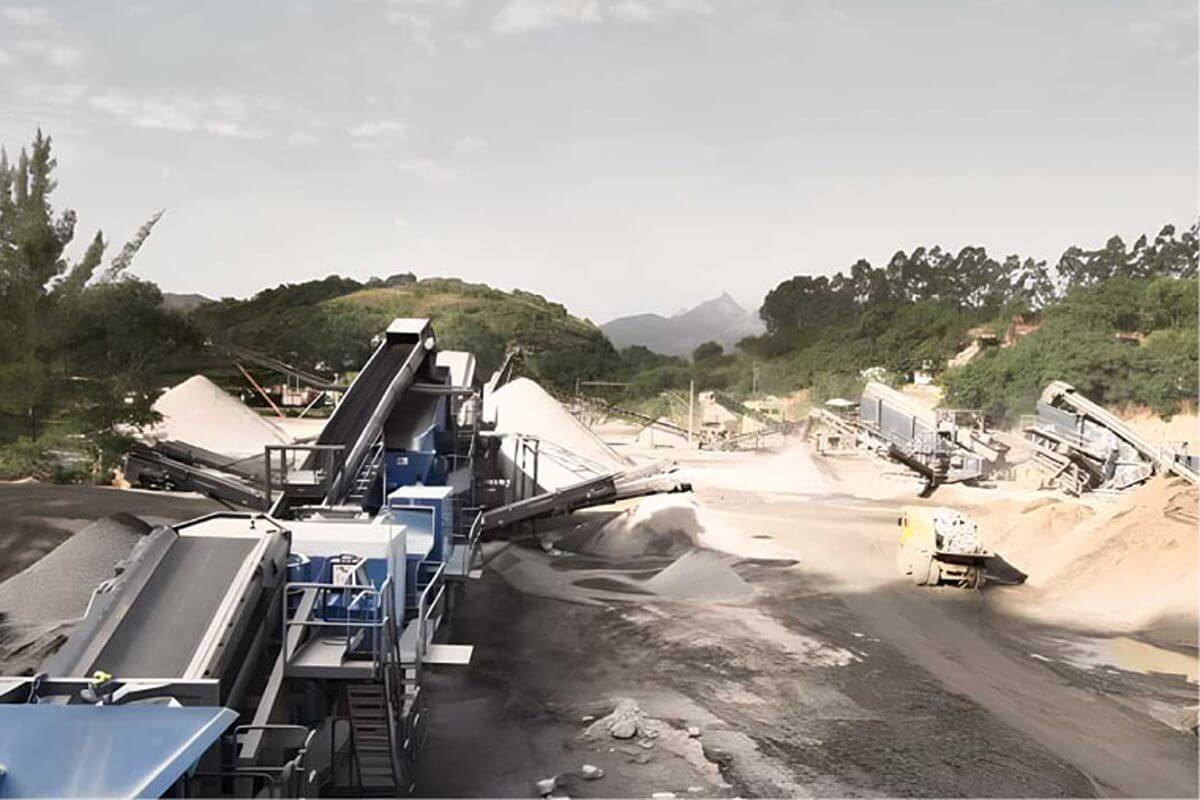
Multico Prime Power, Inc. distributes Kleemann mobile crushers and vibrating screens for quarrying and aggregate production. Its screening equipment helps operators separate materials according to specific size requirements and production needs. This allows Project Engineers to maintain aggregate quality while helping Fleet Managers assess equipment capacity against site demands. Through reliable engineering equipment and a commitment to long-term partnerships, Multico supports more efficient quarry operations.
Business Owners and CEOs can also consider how screening capacity affects project schedules and operating costs. By matching equipment capabilities to site conditions and required output, they can make more informed decisions about quarry equipment investments and long-term operational needs.
Key Takeaway
Understanding how vibratory screens improve material sorting on quarry sites helps operators make better equipment decisions and achieve consistent aggregate quality. The right screening setup can increase production capacity while reducing unnecessary material recirculation and equipment strain. These improvements support more efficient quarry operations and help businesses meet construction material requirements.
At Multico, we help quarry operators find reliable Kleemann screening equipment for their operational needs. Explore your options and contact us today to learn more about our equipment solutions.


