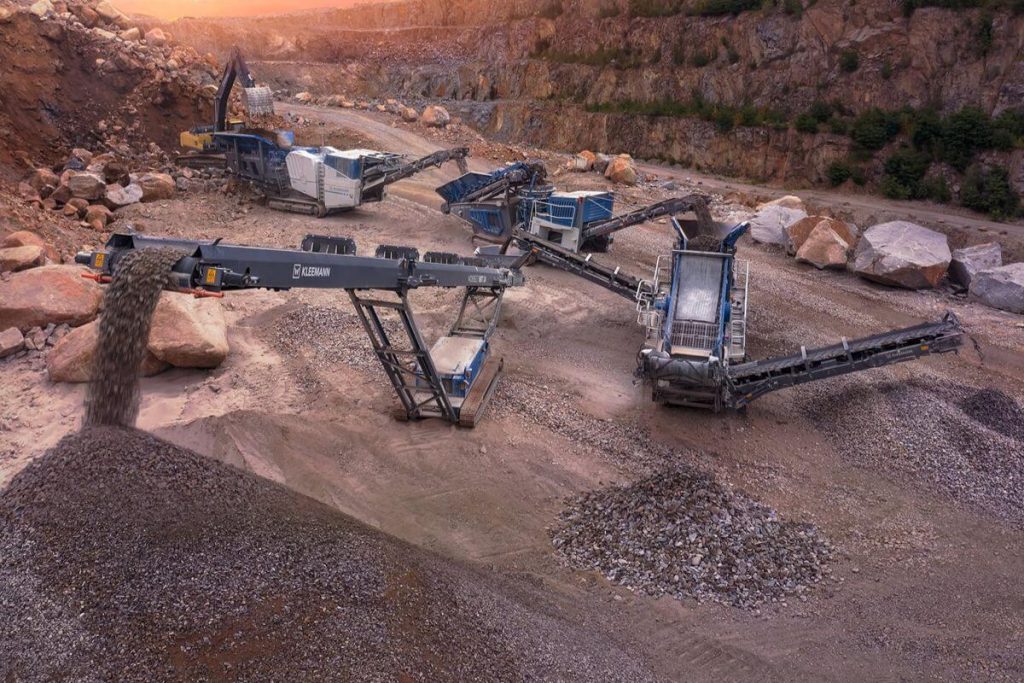
Choosing the Right Construction Equipment to Minimize Maintenance and Maximize Performance
How do you choose the right construction equipment to minimize maintenance and maximize performance?
- Right size and capacity
- Site and terrain match
- Brand reliability and parts access
- Built-in diagnostics
- Versatility
Overview
- Matching construction equipment to project workloads and site conditions minimizes maintenance and prevents downtime.
- Key evaluation factors include capacity, terrain compatibility, brand reliability, parts availability, built-in diagnostics, and machine versatility.
- Proper sizing, routine inspections, and operating within manufacturer limits support dependable performance while managing long-term operational costs.
Construction projects depend on equipment that can handle demanding workloads without creating unnecessary maintenance requirements or downtime. Choosing the right construction equipment minimizes maintenance when the machine suits the project’s workload and operating environment. For projects that require material processing, for example, Multico offers crushers in the Philippines for construction and aggregate applications.
Before choosing a machine, you need to consider how well it fits your project and fleet requirements. Start with its capacity and compatibility with the worksite. You should also assess its reliability, parts availability, diagnostic features, and versatility. This guide explores these factors to help you evaluate heavy equipment based on productivity and maintenance needs.
Right Size and Capacity
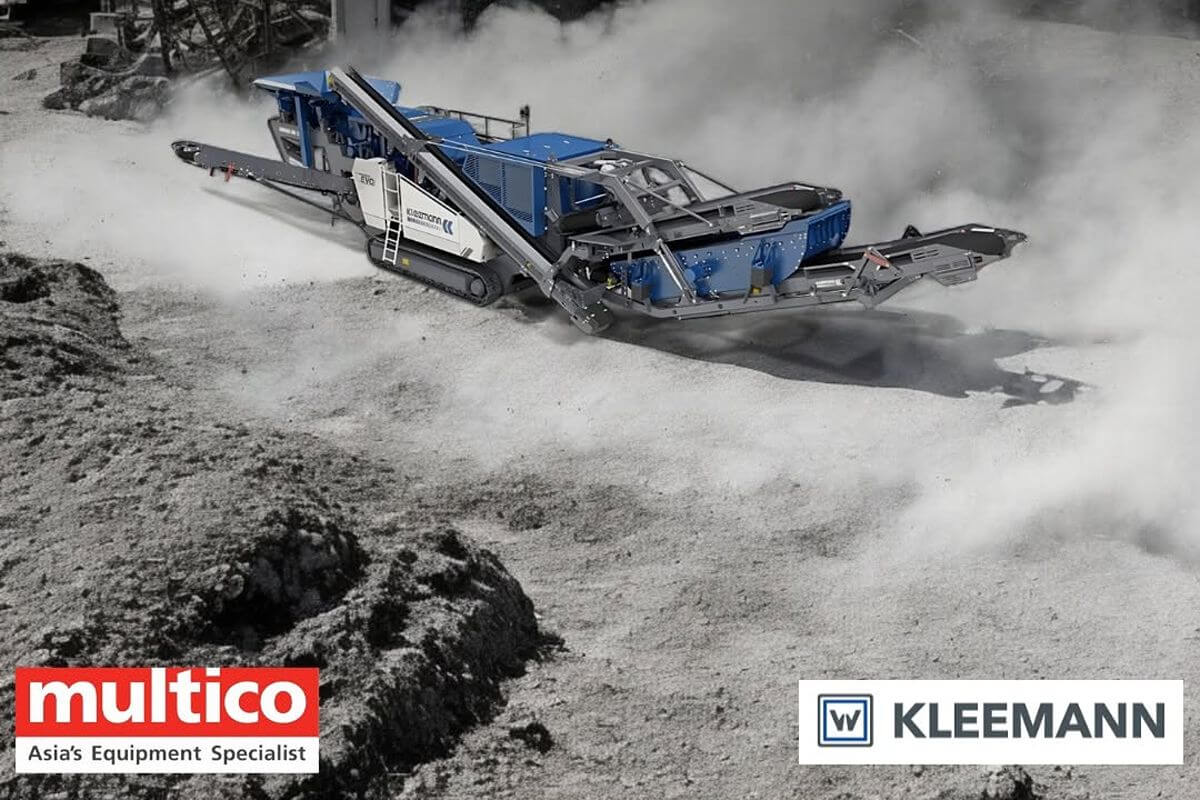
Choose equipment with a capacity that matches the demands of your project. A machine that is too small may need to work beyond its intended limits, while an oversized unit can add unnecessary operating and maintenance costs. Multico’s guidance on preventive maintenance for heavy equipment explains how excessive workloads can place additional strain on equipment components.
Review the machine’s rated capacity and expected workload before making a decision. For example, a crusher should match the required material throughput, while a forklift should suit the loads it needs to handle. A proper capacity match can reduce excessive stress on components and support consistent performance.
Site and Terrain Match
Consider the site conditions before choosing construction equipment. Grade, soil type, site layout, and available space can affect which machines are suitable for a project. Our guide on what heavy equipment operators should know highlights grade reading, soil identification, and site layout as important considerations during equipment operation.
Equipment dimensions and mobility also matter on confined or uneven sites. You should also check whether the equipment can access the work area and maneuver safely around workers and structures. A suitable match between the machine and worksite can support smoother operation while reducing unnecessary strain on its components.
Brand Reliability and Parts Access
Reliability should extend beyond the machine itself. Fleet managers should consider whether replacement parts and technical support are readily available before purchasing equipment. Regular inspections can help identify defects before they lead to major repairs. They can also limit unexpected interruptions and support more efficient operations, as discussed in our guide to the importance of regular maintenance for construction equipment.
Parts availability becomes especially important when equipment operates on demanding schedules. Delays in obtaining replacement components can keep a machine out of service and affect project timelines. Our guidance on maintenance tips for mobile crushers and screens recommends replacing worn components on time and keeping commonly needed wear parts available.
Built-in Diagnostics
Equipment with accessible monitoring and diagnostic features can make maintenance decisions easier. Fleet teams can use machine information to identify potential issues and monitor operating conditions. When comparing machines, check what diagnostic information they provide and how easily your maintenance team can access it.
Diagnostics should not replace physical inspections. Look for equipment that can provide clear information about operating conditions, warning indicators, or potential faults. Easy access to this information can help maintenance teams determine when a machine may need inspection or service.
Versatility
Versatile equipment can support different applications and reduce the need for multiple specialized machines. However, flexibility should not come at the expense of proper equipment selection. Check whether the machine can handle each intended task within its rated capacity and operating limits.
A machine that consistently operates within its intended limits is less likely to experience unnecessary strain. Before using the equipment for multiple tasks, confirm that each intended application is supported by the manufacturer’s specifications. Using equipment outside its recommended application can increase wear and create additional maintenance requirements.
How Multico Helps You Choose Construction Equipment With Lower Maintenance Needs
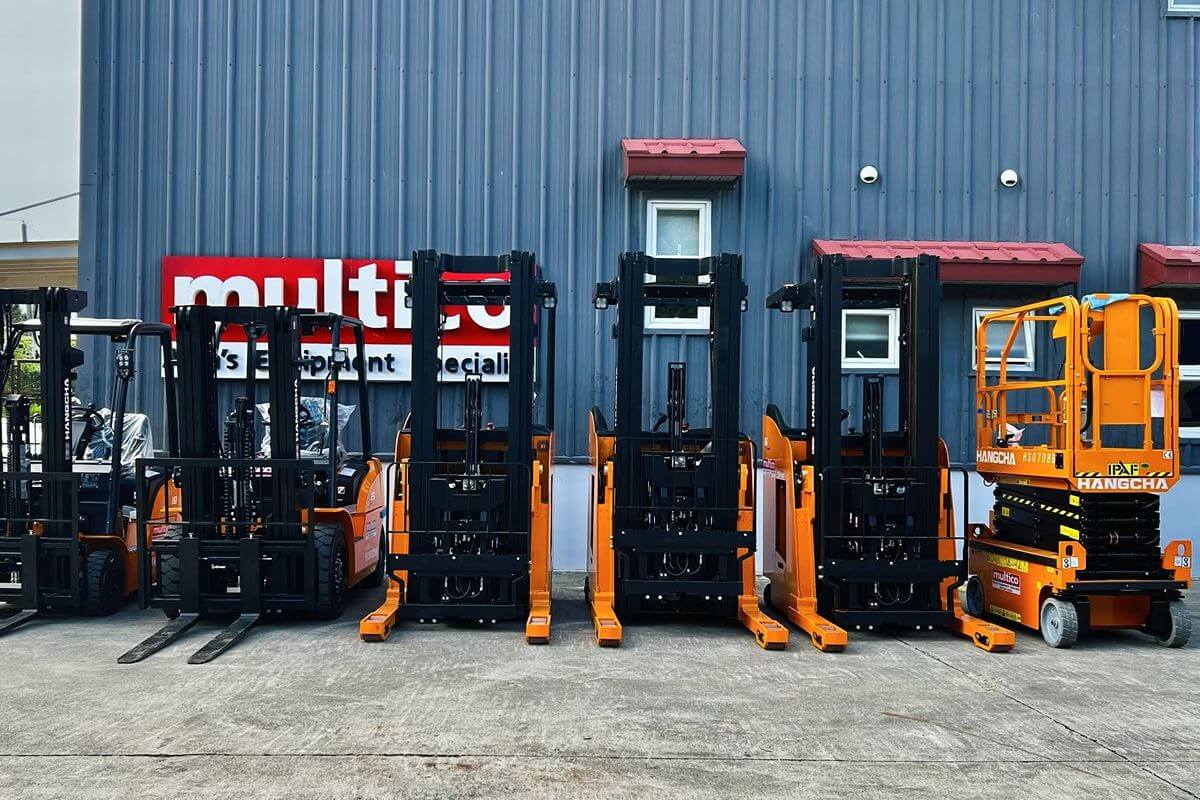
Selecting construction equipment requires looking beyond basic specifications to long-term operational support. As Asia’s Equipment Specialist, Multico provides premium machinery—including Kleemann crushers, Clark and Hangcha forklifts, and Alimak hoists—backed by comprehensive maintenance guidance, operator training, and parts support to maximize lifespan and performance.
When you evaluate your options, our team can help you consider how a machine fits your application and operating environment. The right equipment can support reliable performance while making maintenance requirements easier to manage throughout the project lifecycle.
Key Takeaway
Choosing the right construction equipment minimizes maintenance when the machine suits your workload and operating environment. Evaluating capacity, site compatibility, reliability, and service support can help you select equipment that supports dependable performance and reduces unnecessary downtime.
At Multico, we can help you evaluate engineering equipment based on your project requirements and long-term operating needs. Contact us today to explore equipment options for your construction or industrial operations.


