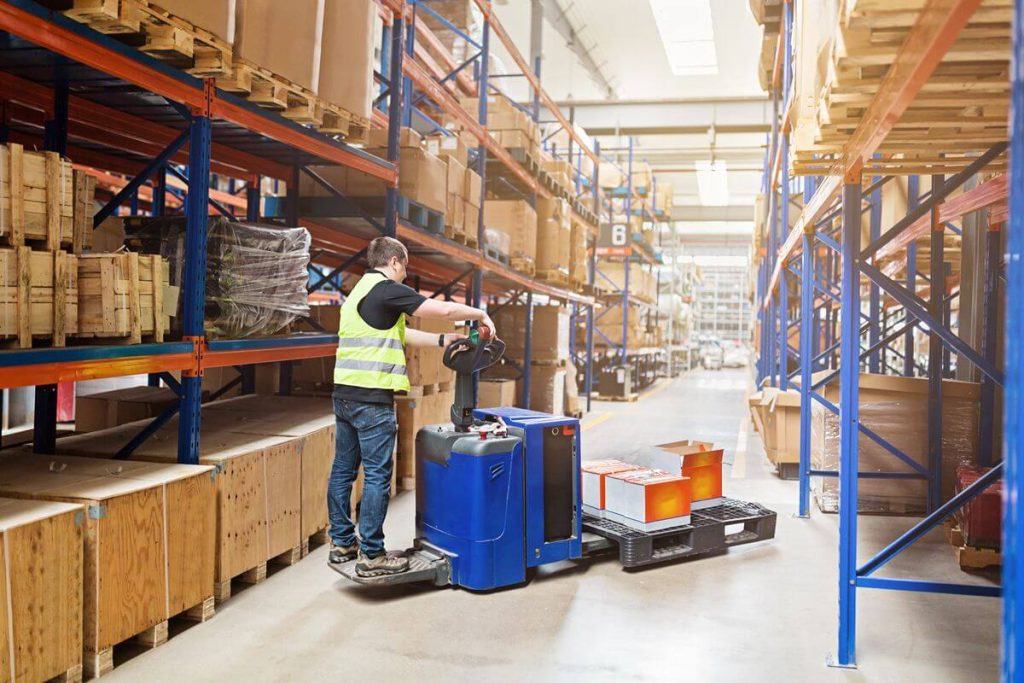
How Electric Pallet Trucks Help Reduce Operator Fatigue
How do electric pallet trucks help reduce operator fatigue in high-volume tasks?
- Remove the heavy breakaway force needed to start pallet movement
- Reduce repeated push-pull effort over long travel paths
- Support more ergonomic steering and operator control
- Improve braking and load control in busy areas
- Match battery, capacity, and maneuverability to shift demands
Overview
- High-volume pallet transport can strain operators when every movement depends on manual pulling, steering, stopping, and repositioning.
- Electric pallet trucks reduce this workload through powered drive, smoother controls, automatic braking, and compact maneuverability.
- The best results come from matching truck specifications with actual load weights, aisle layouts, floor conditions, and shift patterns.
In high-volume warehouses, logistics hubs, manufacturing plants, and distribution centers, pallet movement happens all day. Operators repeatedly pull, steer, stop, and position heavy loads across docks, aisles, staging areas, and production zones.
Manual pallet trucks still work well for short and lighter movements. However, repeated long-distance transfers can create fatigue that affects speed, focus, and safe load handling.
Understanding how electric pallet trucks help reduce operator fatigue in high-volume tasks helps project engineers, warehouse managers, and procurement teams select better material handling equipment. The goal is not only comfort, but also safer and more consistent workflows across every shift.
Remove the Heavy Breakaway Force Needed to Start Pallet Movement
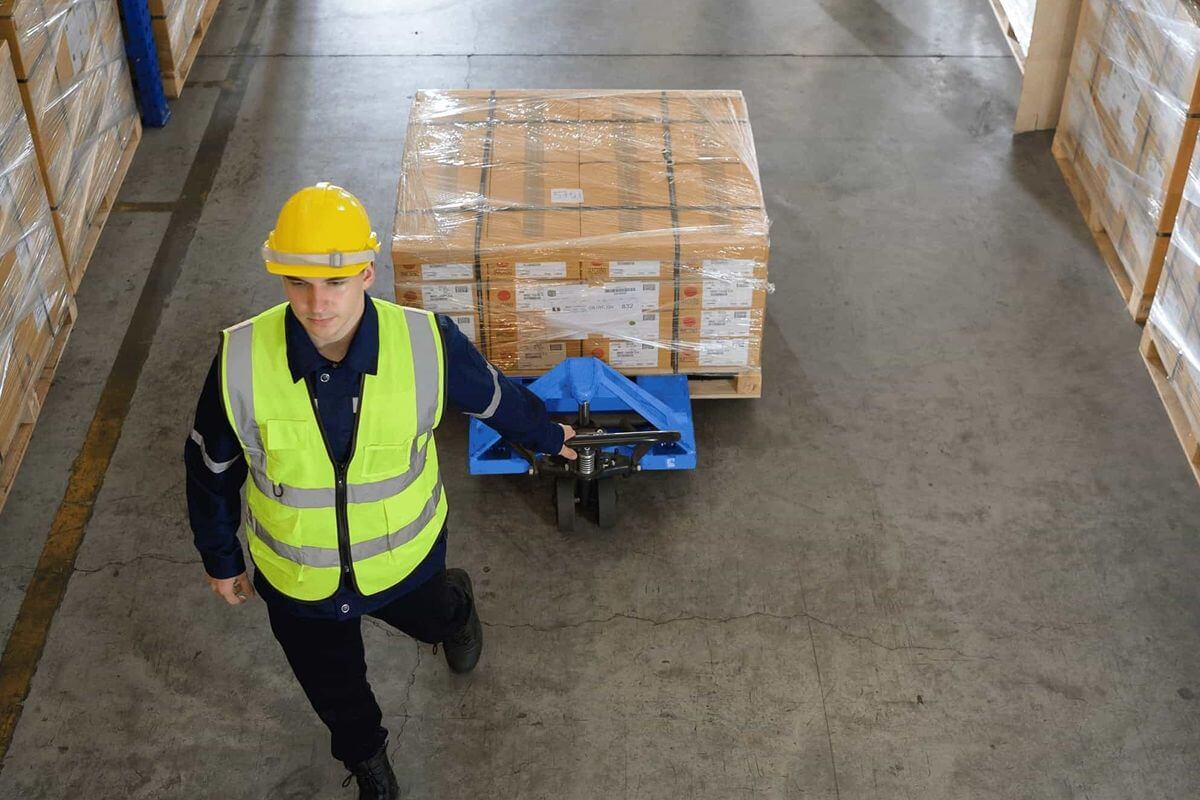
With a manual pallet truck, the hardest part of each cycle is often the first pull. Operators must overcome static friction before the pallet moves, which strains the shoulders, back, knees, and arms.
Electric pallet trucks use motor-driven traction to start movement with less physical force. The operator still controls the truck, but the powered drive system absorbs much of the heavy initial effort.
This difference becomes more important during high-volume tasks. A movement that feels manageable once can become a fatigue risk after dozens or hundreds of repeated pallet transfers.
Reduce Repeated Push-Pull Effort Over Long Travel Paths
Fatigue also builds when operators must move pallets across long routes. Common examples include dock-to-rack transfers, receiving-to-staging movement, and transport between production lines and storage zones.
Powered travel helps operators maintain movement without constant push-pull effort. This can support more consistent cycle times, especially during the later hours of a shift.
Electric pallet trucks are especially useful on smooth warehouse floors and repeated routes where manual effort quickly adds up. Manual units may still fit short transfers, but long travel paths often justify powered movement.
Support More Ergonomic Steering and Operator Control
Operator fatigue is not only caused by load weight. It also comes from repeated small movements of the hands, wrists, shoulders, and lower back.
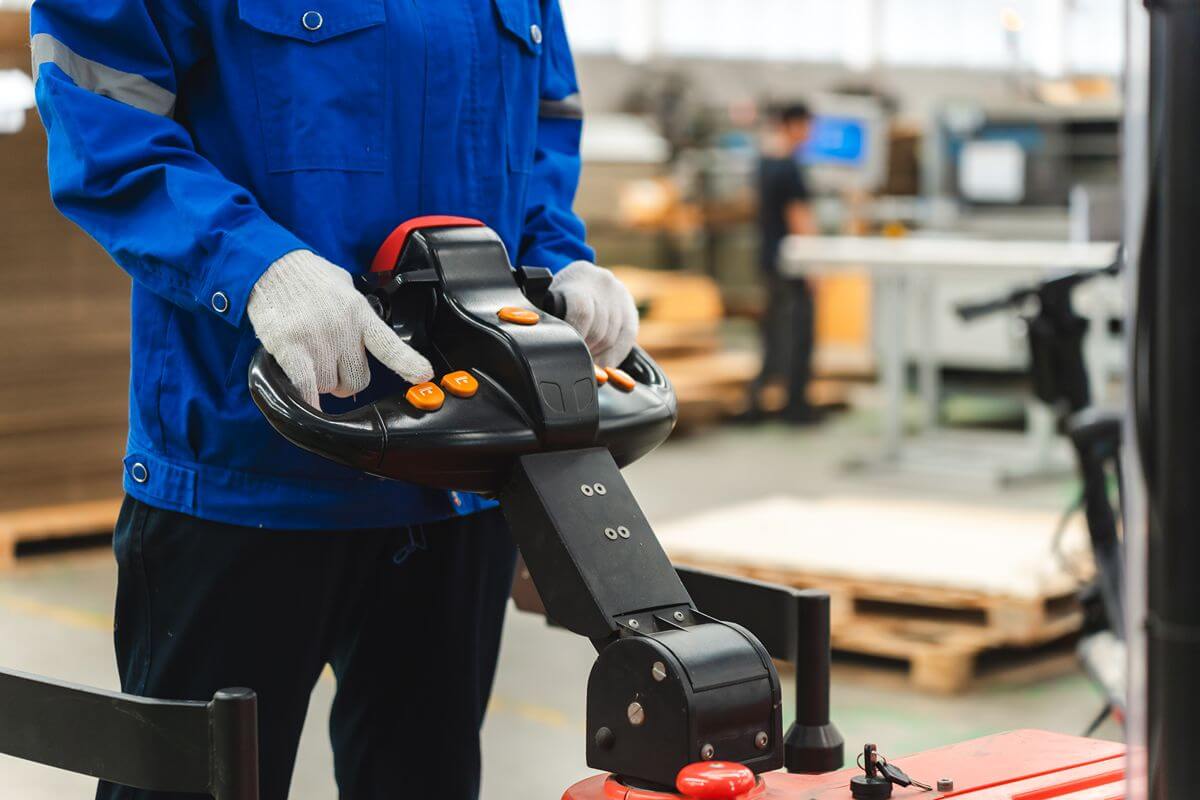
Electric pallet trucks often use ergonomic tiller heads, grouped controls, throttle-based acceleration, and low-effort steering. These features help operators maintain a more natural position during movement and pallet placement.
Controlled acceleration also reduces sudden jerks that can strain the body. When operators can guide equipment smoothly, they spend less energy correcting load movement.
Some facilities may also benefit from walkie-rider or rider pallet truck designs for longer routes. The right option depends on aisle space, visibility needs, route distance, and internal safety rules.
Improve Braking and Load Control in Busy Areas
Stopping a loaded pallet safely can be just as tiring as starting one. This is especially true on ramps, dock areas, congested paths, and locations with frequent pedestrian movement.
Many electric pallet trucks provide controlled deceleration or automatic braking when the operator releases the throttle. This helps reduce the need to physically resist the load during stops.
Better braking also supports safer movement around racks, doors, truck bays, and staging areas. Operators can focus more on awareness instead of fighting load momentum throughout the shift.
Features such as emergency reverse buttons, travel speed control, and stable turning behavior can further reduce operator stress during peak operating hours.
Match Battery, Capacity, and Maneuverability to Shift Demands
The fatigue-reducing value of an electric pallet truck depends on whether the unit fits the site. A poorly matched model can still cause slow movement, frequent corrections, and unnecessary downtime.
Project engineers, procurement teams, and warehouse managers should review the actual operating environment before adding units to the fleet.
| Selection Factor | What to Evaluate | Why It Matters |
|---|---|---|
| Load weight and pallet type | Average loads, maximum loads, pallet dimensions, and floor conditions | Prevents sluggish movement, unstable handling, and unnecessary strain. |
| Travel distance | Distance between docks, racks, production lines, cold rooms, and staging areas | Longer routes benefit more from powered travel and consistent speed. |
| Aisle width and turning radius | Narrow aisles, dock lanes, storage density, and turning points | Ensures the truck can maneuver without repeated corrections. |
| Battery and charging plan | Shift length, charging windows, battery type, and charger access | Keeps equipment available during peak operating hours. |
| Service and parts support | Maintenance access, operator training, parts availability, and local support | Helps preserve uptime, safety, and long-term performance. |
Battery selection is especially important for multi-shift operations. Where suitable, lithium-ion batteries can support opportunity charging during breaks and planned downtime.
Service support should also be part of procurement planning. Equipment that is poorly maintained can lose the same performance benefits that made it useful in the first place.
For businesses evaluating material handling equipment in the Philippines, Multico Prime Power, Inc. can help assess pallet movement requirements, forklift support, and related equipment needs.
Key Takeaway
Knowing how electric pallet trucks help reduce operator fatigue in high-volume tasks helps teams view material handling as a productivity and safety decision, not just an equipment purchase. Powered drive, ergonomic controls, better braking, and compact handling reduce the physical load placed on operators during repetitive pallet transport.
The best results come from matching equipment to the facility. Load weight, route length, aisle width, battery requirements, and service support should guide the specification process.
At Multico Prime Power, Inc., our team supports businesses that need reliable material handling solutions for warehouses, logistics operations, manufacturing facilities, and industrial sites. Contact us today to discuss electric pallet truck options for your facility.


