How to Determine the Right Jaw Crusher Capacity for Your Project?
How to determine the right jaw crusher capacity for your project?
- Maximum feed size and the 80% rule
- Material characteristics
- Closed-side setting (CSS) and reduction ratio
- Tonnage capacity
- Mobility and application site
Overview
- Selecting the correct jaw crusher capacity requires more than comparing machine specifications.
- This guide explores how to determine the right jaw crusher for a project by examining key factors such as maximum feed size, material characteristics, closed-side setting (CSS), tonnage capacity, and site mobility requirements.
Determining how to choose the right jaw crusher for your project is one of the most important considerations during equipment planning and procurement.
While jaw crushers are widely used across quarrying, mining, construction, and aggregate production, selecting the appropriate capacity is not always straightforward. Project requirements can vary significantly depending on production goals, material demands, and operational conditions.
This article explores the factors that influence jaw crusher capacity and outlines the practical considerations that can help determine the most suitable option for a specific project.
Maximum Feed Size and the 80% Rule
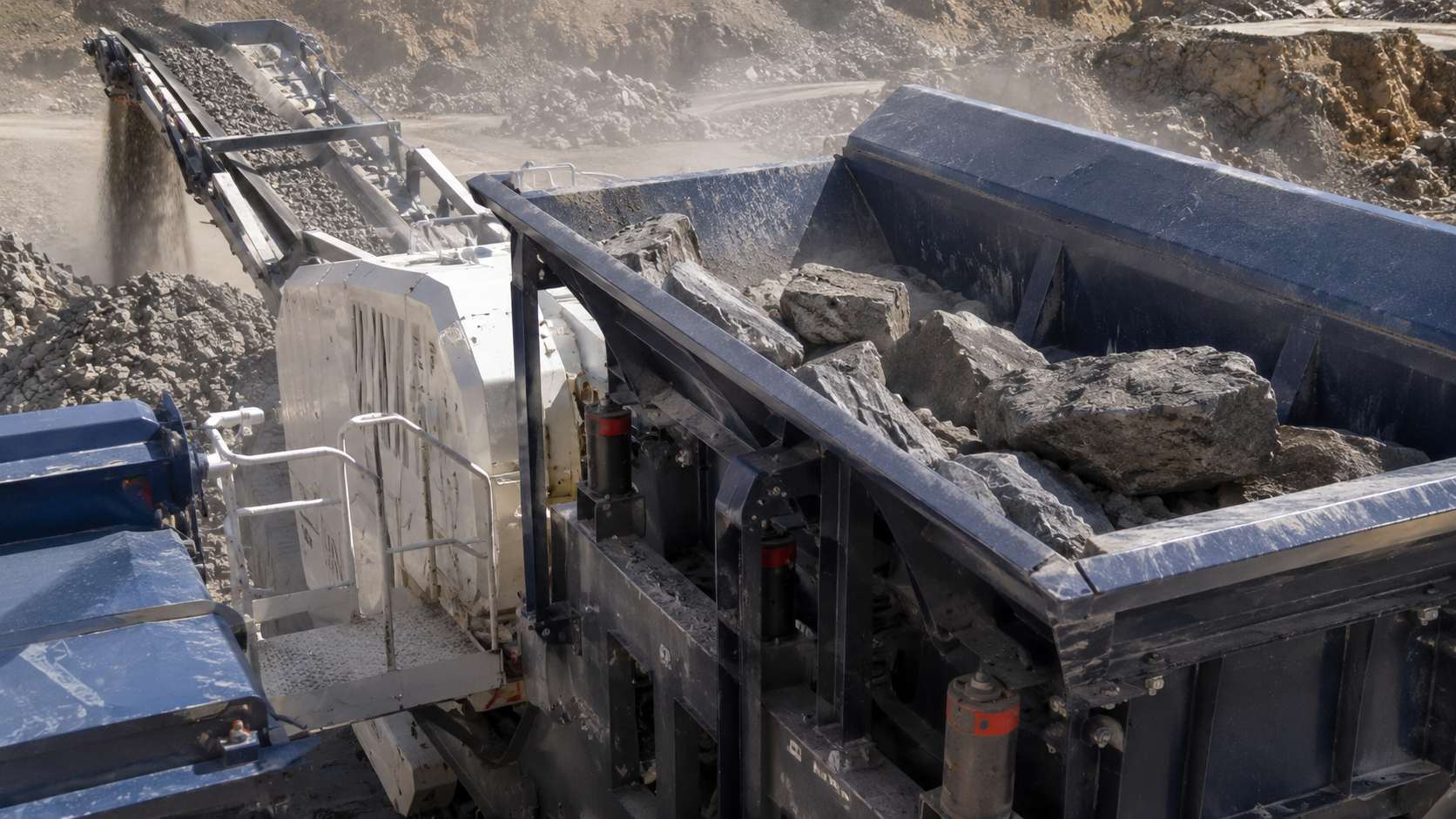
Crushing efficiency is heavily influenced by how well incoming material is managed at the feeding stage, where exceeding ideal limits can disrupt the entire process flow.
In jaw crusher operations, the maximum feed size is typically limited to 80% of the crusher’s gape to ensure smooth material entry. This helps prevent issues such as bridging and slabbing, where oversized material can obstruct the intake or become trapped in the crushing chamber. Proper feed sizing supports consistent throughput, reduces interruptions, and minimizes strain on the equipment.
Similar principles apply to production capacity. As a general operating guideline, jaw crushers are often run at approximately 80% of their rated capacity to provide a buffer against fluctuations in feed material and prevent overload during continuous production cycles. This operating margin helps maintain stable performance while reducing the likelihood of unplanned downtime.
Material Characteristics
Different types of rock present varying levels of resistance, which can significantly affect how consistently material is processed inside the crusher.
Hard or dense rocks such as granite, basalt, and iron ore are typically suited for jaw crushers because they require a strong compressive force to fracture effectively. While jaw crushers are highly effective for primary crushing of hard and abrasive materials, they may encounter challenges when handling sticky or high-moisture feed unless adjustments are made to reduce the risk of clogging.
On the other hand, softer materials like asphalt, brick, and concrete often respond better to impact-based crushing methods, in which breaking occurs by impact rather than compression.
Closed-Side Setting (CSS) and Reduction Ratio
The Closed-Side Setting (CSS) refers to the narrowest gap between the fixed and moving jaw at the bottom of the crushing chamber during operation. This setting directly defines the maximum output size and also influences capacity, product gradation, power consumption, and wear rate.
In simple terms, CSS determines how “fine or coarse” the final crushed material will be. Here’s how CSS adjustment affects crusher performance:
| CSS Setting | Output Size | Capacity | Power Demand | Wear Rate | Resulting Product |
|---|---|---|---|---|---|
| Tight CSS | Finer | Lower | Higher | Higher | More uniform, finer aggregate |
| Wider CSS | Coarser | Higher | Lower | Lower | Larger, less refined output |
In practice, selecting the right CSS is a balance between output quality and production efficiency. While tighter settings improve particle shape, they also reduce throughput due to increased resistance and longer material retention inside the chamber.
Tonnage Capacity
Tonnage capacity represents the core metric governing an aggregate facility’s long-term production yield and operational viability. With this, you should prioritize equipment that maintains steady flow under tough site conditions to keep downstream processing efficient.
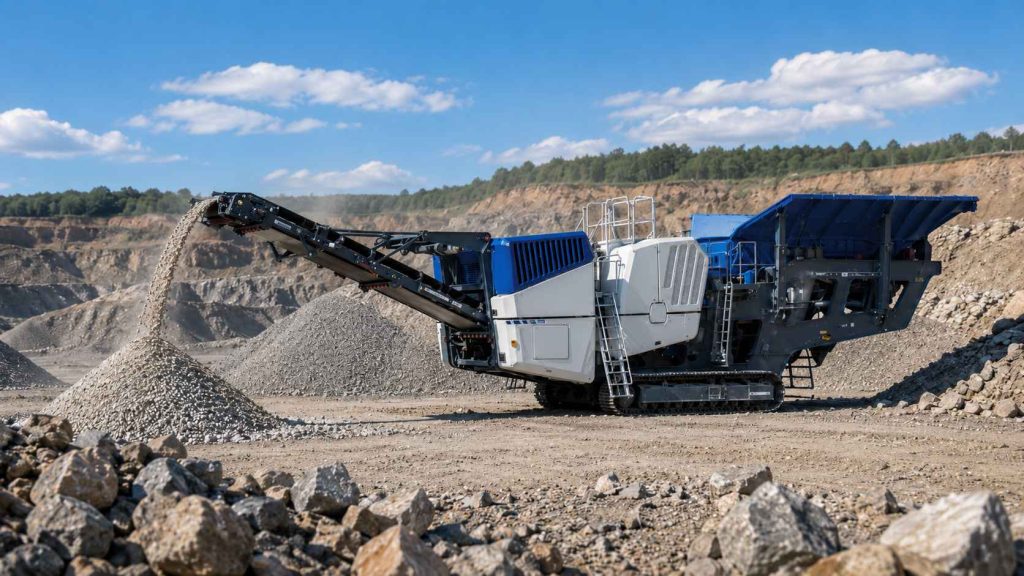
To facilitate precise technical alignment, Multico Prime Power, Inc. offers the advanced Kleemann MOBICAT series of mobile jaw crushers. This product portfolio is engineered to support distinct operational scales, allowing procurement officers to mitigate the financial risks of over- or under-specifying machinery.
For instance, in high-volume infrastructure projects, our MOBICAT MC 120 PRO features a large feed capacity, supporting output of up to approximately 650 tons per hour. Conversely, for localized or decentralized aggregate production, our MOBICAT MC 100 EVO offers a streamlined and highly efficient platform with a capacity of up to 220 tons per hour.
Mobility and Application Site
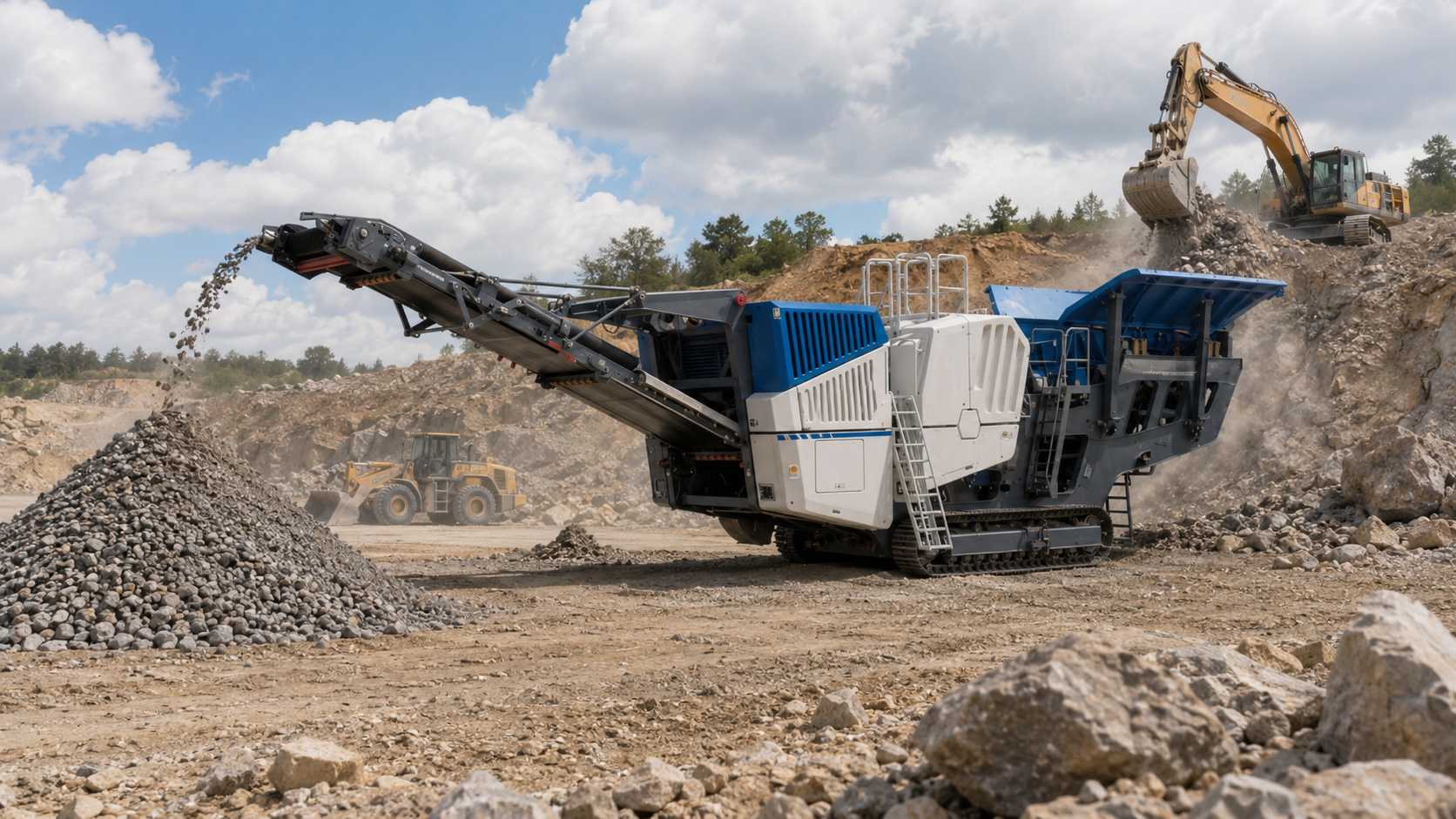
The right crusher should align not only with production requirements but also with the realities of the worksite itself. Factors such as project location, available space, material source, and relocation frequency can all influence whether a mobile or stationary solution is more suitable.
| Crusher Type | Application Profile | Primary Sourcing Benefits |
|---|---|---|
| Mobile Crushers | Crushers Linear infrastructure projects and short-to-medium-term site contracts. | Available in versatile hybrid or diesel-electric drivetrains to maximize fuel efficiency across fluid environments. |
| Stationary Crushers | Permanent extraction facilities and centralized aggregate manufacturing plants. | Provides maximum structural stability, consistent production flow, and lower localized operating costs over extended lifespans. |
Key Takeaway
How to determine the right jaw crusher for a project ultimately comes down to balancing production expectations with real-world site conditions.
At Multico Prime Power, Inc., our Kleemann MOBICAT mobile jaw crushers are engineered to meet a wide range of crushing requirements across the Philippines.
Contact our team today to discuss your project requirements and find the most suitable solution for your operation.


